

Have you noticed your dog suddenly becoming a little more... selective about listening?
Perhaps their recall isn't as reliable at the park, they seem distracted during walks, or basic commands they've known for years suddenly feel optional.
If so, you're certainly not alone.
Every summer, many dog owners notice a change in their dog's behaviour. The good news is that your dog isn't being stubborn or deliberately ignoring you. In many cases, warm weather simply changes how dogs experience the world.
Understanding why this happens can help you adapt your training, reduce frustration, and rebuild your dog's focus—all while making training sessions enjoyable again.
Why Dogs Become Less Responsive During Summer
Summer creates one giant sensory playground.
Longer days, warmer temperatures, new smells, wildlife, picnics, beaches, parks and outdoor adventures all compete for your dog's attention.
Their brain is constantly processing exciting information.
Imagine trying to concentrate in the middle of a festival—that's often how your dog feels during summer walks.
Some of the biggest reasons include:
- New seasonal scents from wildlife and plants
- More people, children and dogs outside
- Increased outdoor activities
- Heat causing lower energy and slower responses
- Longer daylight changing daily routines
- Higher excitement levels in popular walking areas
Rather than viewing this as "bad behaviour," it's better to think of it as your dog being temporarily overwhelmed by exciting distractions.

Heat Changes Behaviour More Than You Think
Dogs regulate heat very differently from humans.
Unlike us, they don't sweat efficiently and rely mainly on panting to cool themselves down.
When temperatures rise, conserving energy becomes a priority.
This can lead to:
- Slower responses to commands
- Reduced motivation to work
- Shorter attention spans
- Increased desire to rest
- Less enthusiasm for repetitive training
This doesn't mean training should stop.
It simply means your training should adapt.
Summer Training Should Be Shorter (But More Rewarding)
One of the biggest mistakes owners make is trying to train exactly as they would during cooler months.
Instead, think quality over quantity.
Aim for:
- 3–5 minute training sessions
- Early morning or late evening walks
- Plenty of breaks
- Shade whenever possible
- Fresh drinking water available
- Fun games instead of repetitive drills
Dogs learn best when they're comfortable.
A short, successful session is always more valuable than a long session where your dog struggles to concentrate.

Why High-Value Rewards Matter More in Summer
When distractions increase, your rewards need to become more exciting too.
If your dog has to choose between:
- chasing an interesting scent, or
- accepting a boring biscuit,
the scent usually wins.
That's why professional trainers often increase the value of rewards when training outdoors.
Natural, meat-rich treats provide a stronger motivation because they're highly palatable, easy to smell and worth working for.
Choosing small training treats also allows you to reward frequently without overfeeding.
This keeps your dog engaged while maintaining healthy portion sizes.
The Best Summer Training Treats
The ideal training treat should be:
- Small and easy to carry
- High in meat content
- Soft or quick to chew
- Easy to digest
- Free from artificial colours, flavours and preservatives
- Natural treats help maintain enthusiasm without unnecessary fillers.
Whether you're practising recall, loose lead walking or basic obedience, rewarding quickly helps reinforce the behaviour you want to see.
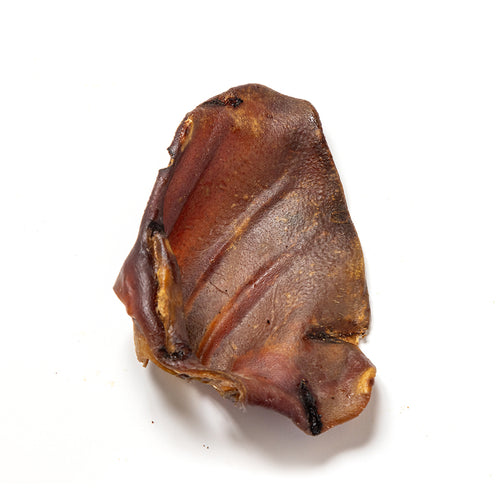
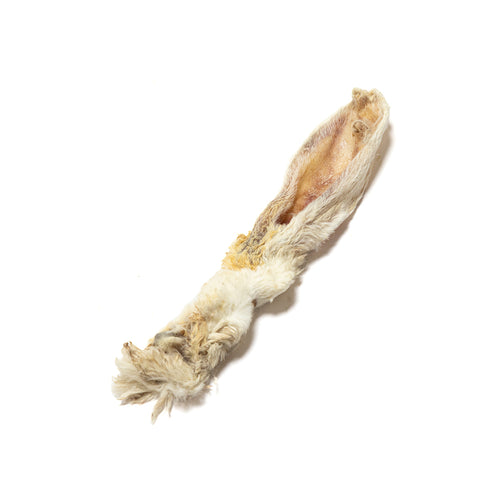
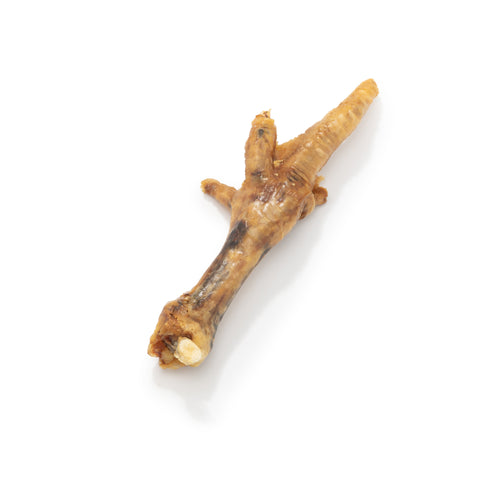
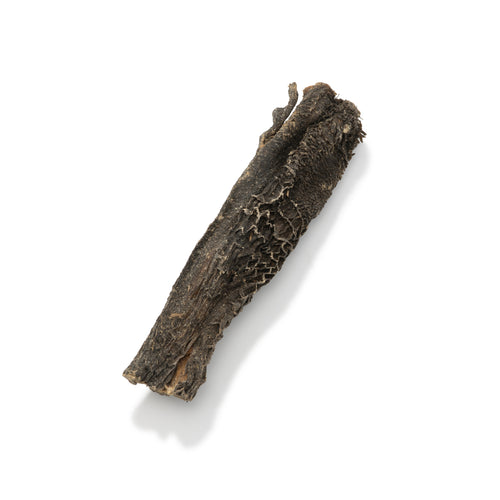
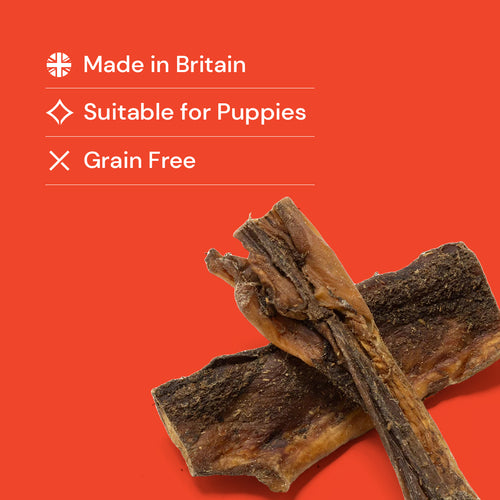
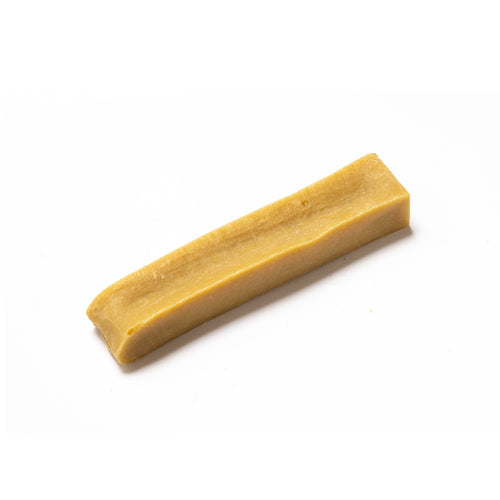
Nutriment Natural Treats offers a wide selection of natural, high-value training treats that are perfect for rewarding good behaviour during busy summer walks.
Because they're made with quality ingredients and real meat, they're ideal for dogs that need a little extra motivation when distractions are everywhere.

Practise Recall Before You Need It
Many owners only test recall when their dog is already distracted.
Instead, build success gradually.
Try this progression:
Step 1
Practise indoors with minimal distractions.
Step 2
Move into your garden.
Step 3
Visit a quiet park.
Step 4
Increase distractions gradually.
Step 5
Reward every successful recall generously.
Your dog should always believe that coming back to you is the best decision they can make.
Turn Summer Walks into Training Opportunities
Training doesn't need to feel like work.
You can naturally reinforce good behaviour throughout every walk.
Reward your dog when they:
- Check in with you voluntarily
- Walk nicely beside you
- Ignore distractions
- Come back when called
- Stay calm around other dogs
- Choose you over exciting smells
These small moments build stronger habits than one long training session each week.
Keep Your Dog Mentally Engaged
On particularly hot days, reducing physical exercise is often the safest option.
Instead, increase mental enrichment.
Ideas include:
- Scatter feeding in the garden
- Snuffle mats
- Frozen enrichment toys
- Hide-and-seek games
- Short scent work sessions
- Trick training indoors
Mental exercise can be just as tiring as physical activity while helping your dog stay focused and happy.

Common Summer Training Mistakes
Avoid these common pitfalls:
❌ Training during the hottest part of the day
❌ Expecting long attention spans
❌ Using low-value rewards
❌ Repeating commands multiple times
❌ Becoming frustrated when your dog is distracted
❌ Skipping training altogether
Instead, stay patient, make sessions enjoyable and celebrate small wins.
The Bottom Line
If your dog seems less responsive during summer, don't worry—they haven't forgotten their training.
They're simply navigating a world that's suddenly full of exciting distractions while coping with warmer temperatures.
By adjusting your expectations, training at cooler times of day, keeping sessions short and rewarding generously with high-quality natural treats, you can maintain reliable recall and strengthen your bond all summer long.
Remember, every successful interaction builds confidence—for both you and your dog.
With consistency, patience and the right rewards, your dog will soon be choosing to listen, even when summer has plenty of other temptations.
Frequently Asked Questions
Why does my dog ignore commands more in summer?
Warmer weather brings more distractions, stronger scents, increased outdoor activity and higher temperatures, all of which can reduce your dog's focus and responsiveness.
Should I stop training my dog during hot weather?
No. Instead, shorten training sessions, choose cooler parts of the day and use highly motivating natural treats to keep your dog engaged.
What are the best treats for recall training?
Small, meat-rich, natural treats with a strong aroma are ideal because they are quick to eat, easy to digest and highly rewarding during outdoor training.
How long should summer training sessions last?
Most dogs benefit from short sessions of around 3–5 minutes, repeated throughout the day rather than one long session.
Discover Natural Rewards Your Dog Will Love
Whether you're practising recall, reinforcing good manners or simply rewarding everyday moments, Nutriment Natural treats are crafted with natural ingredients and high meat content to keep dogs motivated without artificial additives.
Explore our range of training treats and make every summer walk a rewarding experience.