

There are few things more enjoyable than watching your dog sprint happily across an open field or race along a sandy beach with their tail wagging. Off-lead freedom gives dogs the chance to exercise naturally, explore new scents and burn off energy—but only when they have a reliable recall.
Whether you're enjoying your local park or planning a seaside adventure, teaching your dog to come back every time they're called is one of the most important skills they can learn. It helps keep them safe around wildlife, other dogs, roads and unexpected distractions, while giving you confidence to enjoy your walks together.
The good news? Recall isn't about having the loudest voice or the strictest commands. It's about becoming the most rewarding thing in your dog's environment.
With consistency, patience and plenty of positive reinforcement (including irresistible natural treats), your dog's recall can become stronger with every walk.
Why Recall Training Matters
Reliable recall isn't simply about obedience—it's about safety, trust and freedom.
A strong recall helps your dog:
- Stay safe near roads and cyclists
- Avoid chasing wildlife or livestock
- Return quickly if another dog becomes overwhelmed
- Enjoy more off-lead adventures
- Build confidence through positive interactions
- Strengthen the bond between you
Every successful recall reinforces that coming back to you is always worthwhile.

Start in Low-Distraction Environments
One of the biggest mistakes owners make is expecting perfect recall at the busiest park.
Instead, build success gradually.
Practice first:
- Your garden
- Quiet enclosed fields
- Empty parks
- Secure training areas
Only increase distractions once your dog consistently responds.
Think of recall like building muscle—it develops through repetition.
Choose High-Value Rewards
When your dog is deciding between returning to you or chasing pigeons...
You need to win that decision.
Ordinary biscuits often can't compete with exciting smells, other dogs or squirrels.
That's where high-value natural rewards become incredibly effective.
Choose treats that are:
- Highly meaty
- Strong smelling
- Small enough for frequent rewards
- Easy to carry
- Quick to eat
Natural, single-protein treats often provide excellent motivation without unnecessary fillers or artificial ingredients.
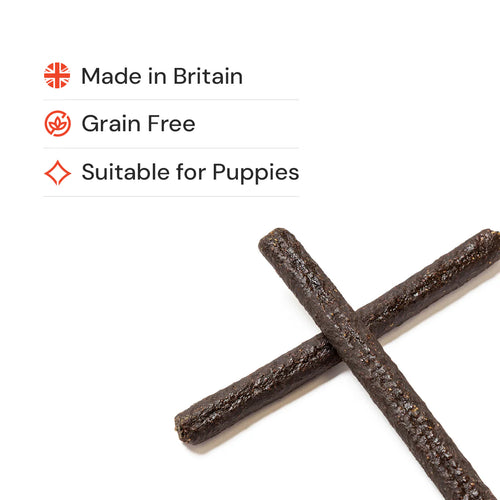
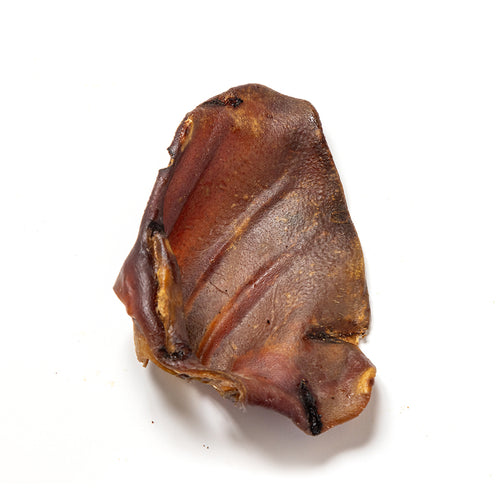
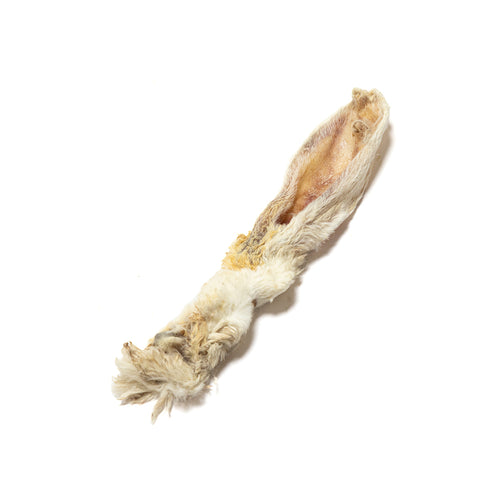
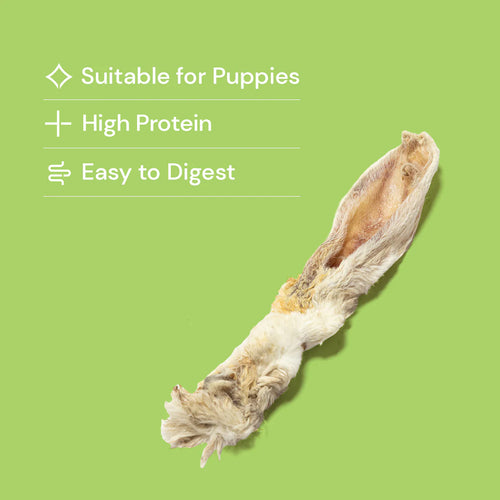
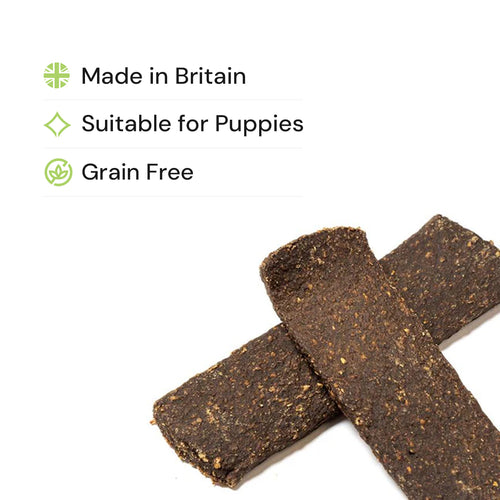
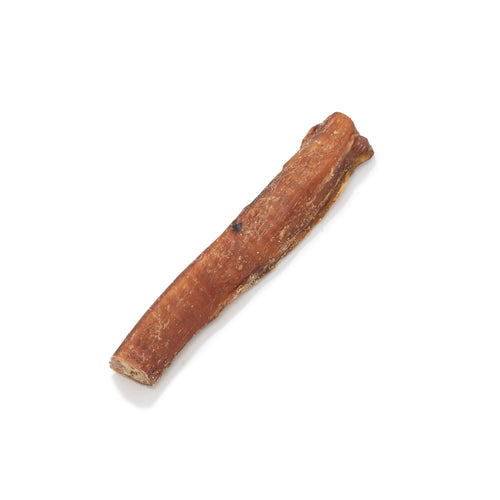
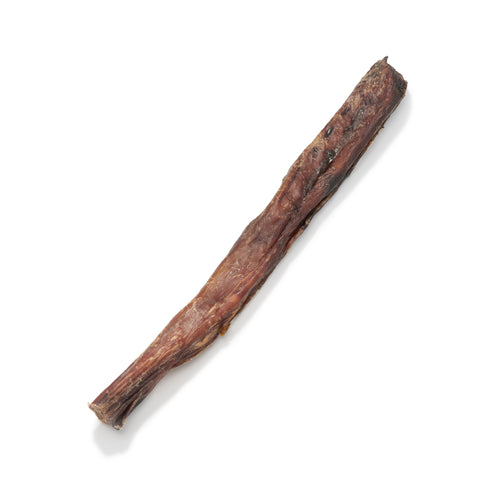
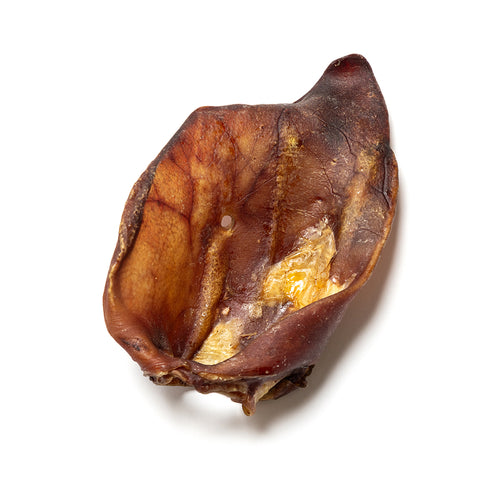
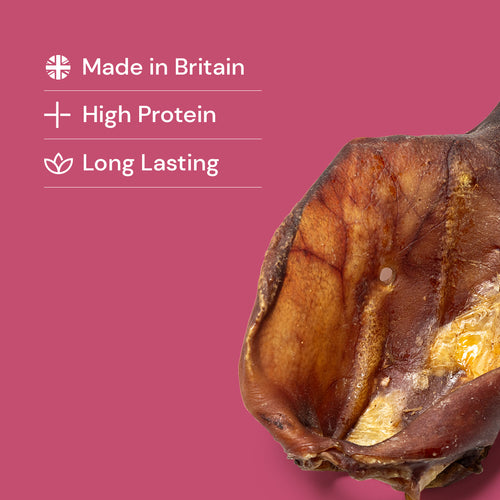
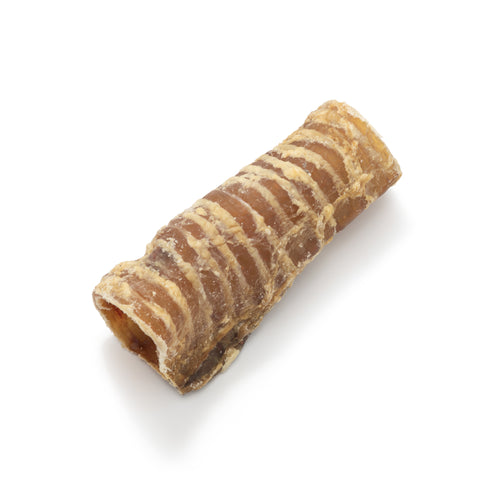
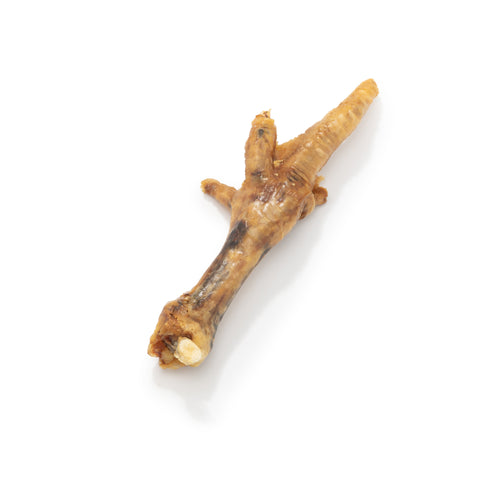
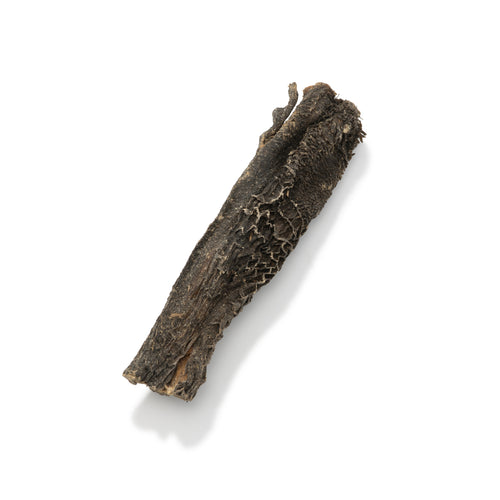
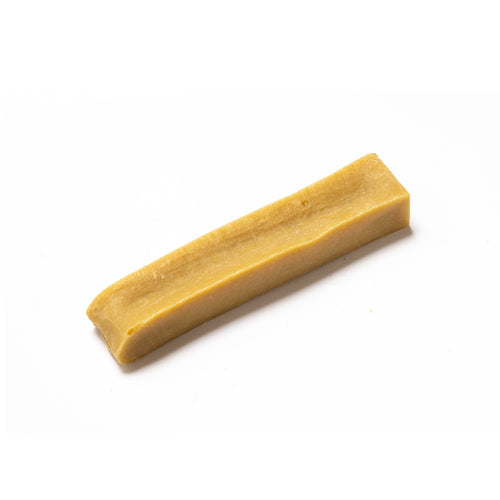
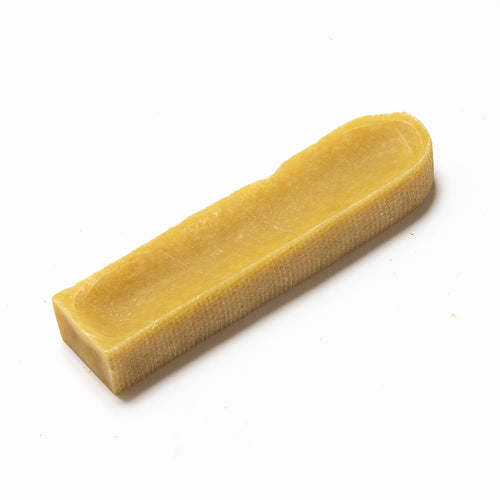
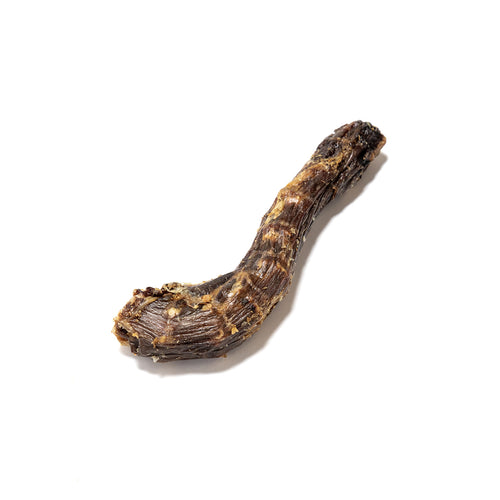
Top training favourites include:
These bite-sized rewards deliver maximum motivation while keeping training sessions enjoyable.

Keep Rewards Unpredictable
One mistake many owners unknowingly make is rewarding every recall with exactly the same treat.
Dogs quickly learn patterns.
Instead, create excitement through variable rewards.
Sometimes offer:
- One tasty treat
- Several treats in a row ("jackpot rewards")
- A favourite toy
- Praise and fuss
- Permission to return to play
Your dog never knows when coming back might earn an even bigger reward.
This unpredictability keeps recall exciting.
Never End the Fun
If every recall means:
"Lead on."
"Walk finished."
"Time to go home."
Your dog quickly learns that returning ends the adventure.
Instead:
- Call your dog back.
- Reward generously.
- Release them to play again.
This teaches:
Coming back doesn't always mean the fun stops.
Professional trainers often call this a "recall and release" exercise, and it's one of the fastest ways to build enthusiasm.
Use One Consistent Recall Cue
Choose one cue and stick with it.
Examples include:
- "Come!"
- "Here!"
- A whistle
- Your dog's name followed by "Come"
Avoid constantly repeating:
"Come! Come! Come! Come!"
If your dog ignores the cue, calmly move closer, regain attention and try again.
One cue should always mean one clear request.
Make Yourself More Interesting
Dogs naturally investigate exciting things.
Become one of them.
When your dog glances back:
- Run away playfully
- Clap your hands
- Change direction
- Use an upbeat voice
- Celebrate every successful recall
Your energy matters.
Dogs are far more likely to return to someone who looks fun than someone standing still with crossed arms.

Practise Around Real-Life Distractions
Once your dog succeeds in quieter environments, gradually introduce:
- Other dogs
- Children playing
- Birds
- Joggers
- Cyclists
- Beach visitors
- New walking routes
Increase distractions one step at a time.
Avoid setting your dog up to fail by progressing too quickly.
Beaches Bring Unique Challenges
Dogs often become far more excited at the beach.
They encounter:
- Seagulls
- Waves
- Strong scents
- Other dogs
- Picnics
- Wildlife
For early beach visits:
- Keep your dog on a long training line if recall isn't reliable.
- Practise short recalls before allowing more freedom.
- Carry extra high-value treats.
- Reward generously for every success.
The beach should remain a fun learning environment—not a stressful one.
Common Recall Mistakes to Avoid
Even experienced owners sometimes make habits that slow progress.
Try to avoid:
❌ Calling your dog only when leaving.
❌ Punishing your dog for returning slowly.
❌ Repeating recall commands multiple times.
❌ Chasing your dog.
❌ Practising only once a week.
Consistency creates lasting habits.
Fuel Great Behaviour Naturally
Training works best when rewards genuinely motivate your dog.
Our range of natural treats is designed to make every training session rewarding without compromising on quality.
Choose from:
Made with high-quality natural ingredients and no artificial colours, flavours or preservatives, they're ideal for frequent rewarding while supporting a healthy lifestyle.
Whether you're practising in the park or exploring the coastline, having irresistible natural treats in your pocket can make every recall opportunity count.

Final Thoughts
Reliable recall isn't built in a weekend—but every successful repetition builds trust.
Celebrate the small wins.
Keep sessions short.
Make coming back the best decision your dog can make.
With patience, consistency and plenty of delicious natural rewards, you'll build a recall that gives both you and your dog the confidence to enjoy more adventures together.
Because every great adventure begins with knowing your best friend will always come back.
Frequently Asked Questions
How long does recall training take?
Every dog learns at a different pace. Consistent daily practice using positive reinforcement usually produces noticeable improvements within a few weeks, although reliable recall continues developing over several months.
What are the best treats for recall training?
Small, highly rewarding treats that your dog can eat quickly work best. Natural meat-based training treats are often more motivating than dry biscuits, particularly in distracting environments.
Should I let my dog off the lead if recall isn't reliable?
Not yet. Use a long training line until your dog consistently returns when called in increasingly distracting environments. This keeps your dog safe while allowing them to practise successfully.
Can older dogs still learn recall?
Absolutely. Dogs of all ages can improve recall through positive reinforcement, consistency and rewarding training sessions.
Shop Training Essentials
Reward every success with naturally delicious treats your dog will love.
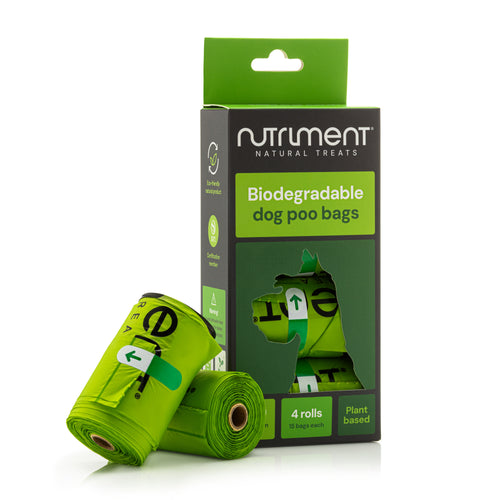
Explore Nutriment Natural Treats' range of:
Perfect for rewarding great recall wherever your adventures take you.