

If you've ever watched your dog settle down with a natural chew, you've probably noticed something remarkable.
The pacing stops.
The whining fades.
Their breathing slows.
Within minutes, they seem completely relaxed.
This isn't simply because they're distracted.
There's genuine science behind why chewing helps dogs feel calmer—and it's one of the healthiest natural behaviours we can encourage.
Whether your dog becomes excited when visitors arrive, struggles with being left alone, or simply needs something productive to do after a walk, chewing provides both mental and physical benefits that support overall wellbeing.
Let's explore why.
Why Dogs Naturally Need to Chew
Dogs have evolved to chew.
Wild canines spend significant portions of their day tearing, gnawing and processing food. Modern dogs may eat from a bowl in seconds, but their instinct to chew remains deeply ingrained.
Chewing is:
- mentally stimulating
- emotionally rewarding
- physically satisfying
- naturally calming
When dogs don't have appropriate outlets for this instinct, they often create their own.
That might mean:
- shoes
- furniture
- children's toys
- skirting boards
- cushions
Rather than trying to stop chewing altogether, it's far healthier to redirect it towards safe, natural chews.

What Happens Inside Your Dog's Brain?
Chewing Activates the Relaxation Response
One of the biggest reasons chewing feels so rewarding is what happens neurologically.
Repeated chewing motions help activate the parasympathetic nervous system—often called the body's "rest and digest" system.
This shifts your dog away from excitement or stress and into a calmer emotional state.
Many behaviourists compare chewing to:
- meditation
- deep breathing
- mindfulness activities in humans
It's a healthy way for dogs to regulate their emotions naturally.
Chewing Encourages Feel-Good Chemicals
During prolonged chewing, dogs experience increased release of neurotransmitters associated with relaxation and pleasure.
This includes dopamine, which reinforces rewarding behaviour and encourages calm focus.
Instead of remaining hyper-alert, many dogs gradually settle as they chew.
That's why you often see dogs:
- lying down
- sighing deeply
- closing their eyes
- relaxing their muscles

Chewing Helps Lower Stress
Stress isn't always obvious.
Some dogs show it by barking.
Others pace.
Some lick excessively.
Others become destructive.
Providing an appropriate natural chew gives your dog a constructive outlet that redirects nervous energy into something positive.
This can be especially helpful during:
- fireworks
- thunderstorms
- guests visiting
- moving house
- travelling
- post-walk excitement
- crate training
- settling after playtime
Why Mental Enrichment Matters
Many owners assume tired dogs simply need more exercise.
But mental stimulation is often just as important.
In fact, a dog that's mentally fulfilled frequently settles more easily than one that's physically exhausted.
Chewing challenges your dog's brain by encouraging them to:
- investigate
- grip
- manipulate
- problem solve
- persist
This type of enrichment mimics natural feeding behaviours and satisfies instinctive needs.
Different Dogs, Different Chewing Styles
Every dog enjoys chewing differently.
Some love softer treats.
Others enjoy working on long-lasting chews for extended periods.
Choosing the right chew depends on:
Puppies
Chewing helps relieve teething discomfort while teaching appropriate chewing habits.
Look for easily digestible natural options suited to younger dogs.
Adult Dogs
Healthy adult dogs benefit from a variety of natural chews that encourage longer engagement and mental stimulation.
Rotating different textures also helps maintain interest.
Senior Dogs
Older dogs may prefer slightly softer chews that remain satisfying without requiring excessive force.
Natural protein-rich options can still provide excellent enrichment while being gentler on ageing teeth.
Chewing Supports Dental Health Too
Stress relief isn't the only advantage.
Natural chewing also supports oral hygiene.
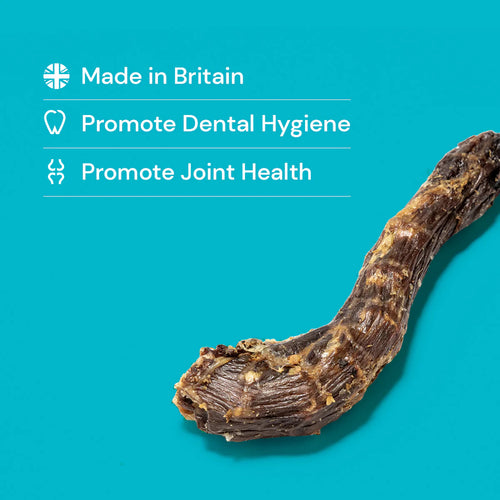
As dogs chew, the mechanical action can help reduce the build-up of plaque and tartar while encouraging healthy gums.
While chewing doesn't replace regular dental care, it forms an excellent part of an overall oral health routine.

Signs Your Dog May Benefit From More Natural Chewing
Your dog may need additional enrichment if they regularly:
- steal household objects
- destroy toys quickly
- become restless in the evenings
- bark when bored
- struggle to settle after walks
- follow you constantly
- chew inappropriate items
- become overexcited when visitors arrive
- Adding structured chew time into your daily routine often helps create calmer habits.
Creating a Calm Daily Routine
Many owners find success by building chewing into predictable parts of the day.
For example:
After Morning Walks
Allow your dog to unwind with a natural chew instead of continuing excitement indoors.
During Afternoon Rest Time
A chew helps encourage independent relaxation while you work or enjoy some quiet time.
When Visitors Arrive
Giving your dog something rewarding before guests enter can redirect excitement into calm behaviour.
During Rainy Days
When walks are shorter, chewing provides valuable indoor enrichment.

Why Natural Chews Are the Better Choice
Not all dog chews are created equal.
Many highly processed alternatives contain unnecessary additives, artificial ingredients or fillers.
Natural chews offer a simpler, more instinctive option.
When choosing treats, look for products that are:
- naturally high in protein
- easily digestible
- free from artificial colours
- free from artificial flavours
- free from unnecessary preservatives
- responsibly sourced
These support both physical health and behavioural wellbeing.
How Nutriment Natural Treats Help
At Nutriment Natural Treats, we believe enrichment should be as natural as possible.
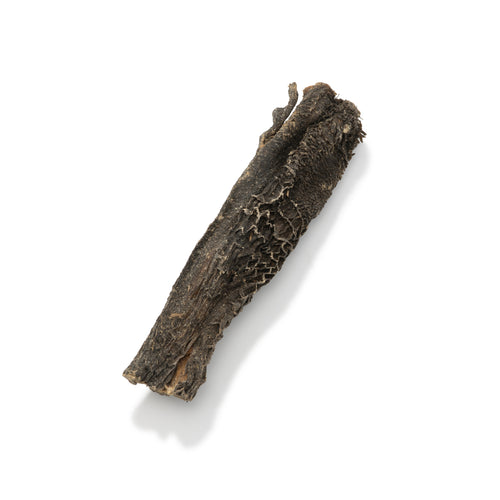
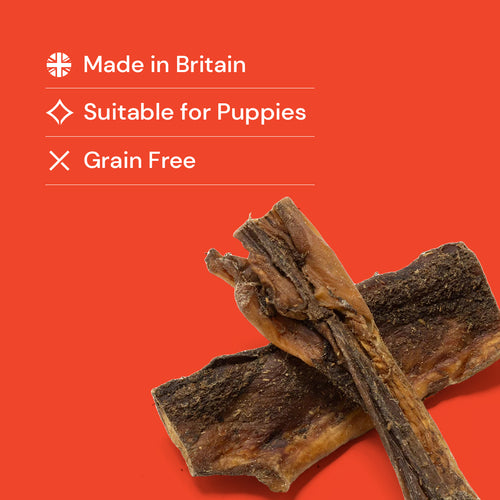
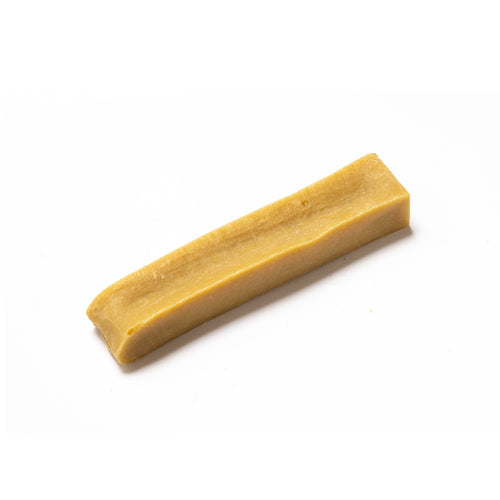
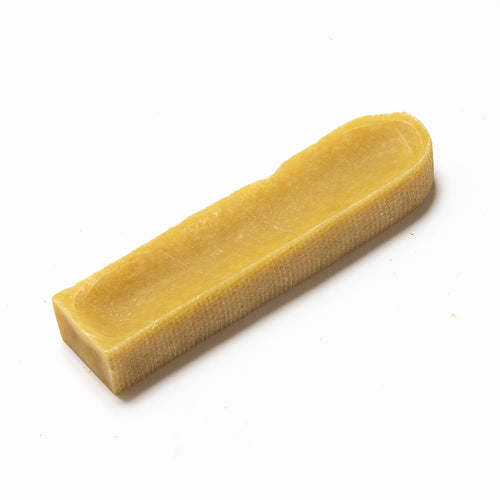
Our range of natural chews is carefully selected to provide dogs with satisfying chewing experiences while supporting healthy lifestyles.
Whether your dog enjoys:
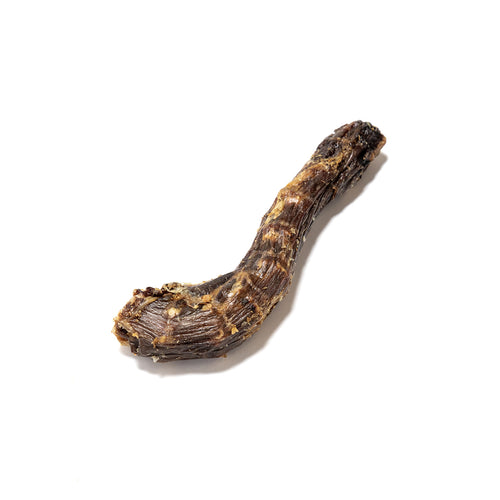
- longer-lasting natural chews
- crunchy favourites
- gourmet rewards
- everyday training treats
you can feel confident you're choosing high-quality products made with your dog's wellbeing in mind.
Because when dogs are given natural ways to express their instincts, everyone enjoys a happier home.
Frequently Asked Questions
Does chewing really calm dogs?
Yes. Chewing activates natural calming responses in the brain while providing mental enrichment that helps many dogs relax.
How long should dogs chew each day?
There is no universal answer, as every dog differs. Short daily chewing sessions using suitable natural chews can form part of a balanced enrichment routine.
Are natural chews better than synthetic chews?
Many owners prefer natural chews because they contain fewer unnecessary ingredients while supporting instinctive chewing behaviour.
Can chewing help anxious dogs?
Chewing is not a treatment for anxiety, but it can provide calming enrichment that helps many dogs cope better with everyday stress. If your dog experiences severe anxiety, consult your veterinarian or a qualified behaviour professional.
Final Thoughts
Chewing is far more than simply keeping dogs occupied.
It's a natural behaviour rooted in biology.
By satisfying instinctive needs, stimulating the brain and encouraging relaxation, natural chewing helps dogs feel calmer, happier and more fulfilled.
Providing appropriate natural chews every day is one of the simplest ways to support your dog's emotional wellbeing—while strengthening the bond you share together.
After all, a calm dog isn't just a quieter dog.
It's often a happier one.