

Cooler days, hungrier dog? 🍂
The mornings are crisper, the evenings are drawing in and your dog suddenly seems very interested in what’s happening in the kitchen.
Sound familiar?
As the seasons change, you may notice subtle changes in your dog’s appetite, activity levels and daily routine. Some dogs can appear hungrier during the cooler months, while changes in walks, time outdoors and everyday habits can also influence how much energy they use. UK veterinary charity PDSA notes that owners may notice their pets appearing hungrier during autumn and winter.
But an enthusiastic look at the treat cupboard doesn’t automatically mean it’s time for a bigger dinner.
Here’s what to look out for — and how to keep your dog’s feeding and treats balanced as we move into autumn.
Why might dogs seem hungrier in autumn?
There isn’t one rule that applies to every dog.
Your dog’s age, breed, body condition, lifestyle, environment and activity level can all influence their individual energy requirements. That’s why it’s more useful to watch your dog rather than simply feed according to the season.
A few things may change as autumn arrives:
1. Cooler temperatures
As temperatures fall, some dogs may use more energy maintaining their body temperature, particularly if they spend significant time outdoors.
That doesn’t necessarily mean every dog needs more food. A dog spending most of the day in a warm home may experience very little change.
2. Their activity levels may change
Autumn can mean glorious long walks through crunchy leaves for some dogs — and shorter, wetter outings for others.
If your dog becomes more active, their energy needs may change. Equally, if darker evenings mean less exercise, automatically increasing their portions could provide more energy than they need.
The important bit? Look at what your dog is actually doing, rather than what the calendar says.
3. Their routine changes
Back-to-school schedules, darker mornings, different walk times and spending more time indoors can all alter your dog's daily rhythm.
And sometimes what looks like hunger is simply opportunity.
If you're home more often, your dog may have more chances to remind you that the treat cupboard exists. Clever, aren't they?

Is my dog actually hungry?
Those puppy-dog eyes can be convincing.
Before reaching for an extra scoop, look at the bigger picture:
🐾 Appetite: Has their interest in food genuinely changed?
🐾 Activity: Are they walking, running or playing more or less than usual?
🐾 Body condition: Are they maintaining a healthy shape and weight?
🐾 Behaviour: Is the change sudden, persistent or unusual for them?
Individual energy needs can vary considerably, which is why monitoring body condition is more useful than relying on feeding amounts alone. WSAVA recommends adjusting feeding according to the individual animal's weight and body condition.
If your dog's appetite changes suddenly, they seem hungry all the time, they're gaining or losing weight unexpectedly, or you're concerned about their behaviour, speak to your vet. PDSA similarly recommends veterinary advice when increased hunger becomes persistent or is accompanied by weight gain or other concerns.
What about treats?
Autumn was practically made for treating.
There are muddy walks to reward, training sessions to conquer and cosy afternoons when a satisfying chew can keep your dog occupied.
The key is balance.
Treats are part of your dog's overall daily intake, not something separate from it. WSAVA advises that treats should provide no more than around 10% of a dog's daily calorie intake, with the remaining calories coming from a complete and balanced diet.
So rather than simply giving more, think about choosing the right treat for the moment.
A treat for every autumn moment 🍁
Heading out for training?
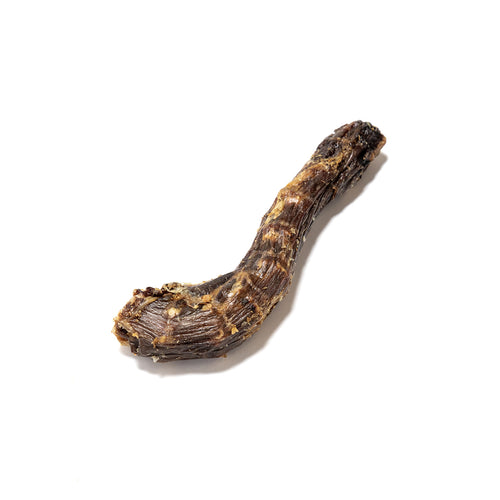
Choose smaller treats that are easy to portion and reward with.
Enjoying a longer autumn walk?
Pack something convenient for those well-earned rewards along the way.
Settling in for a cosy afternoon?
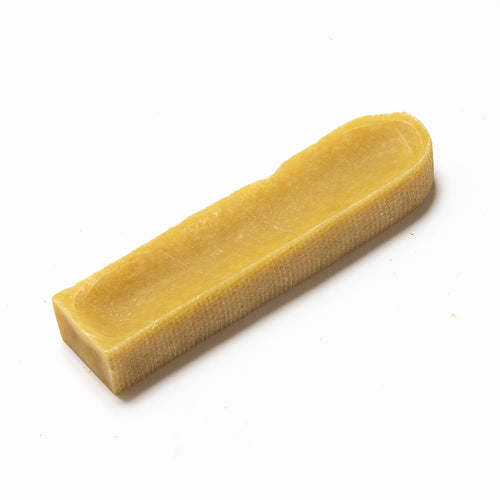
A longer-lasting chew can make the moment feel that little bit more special.
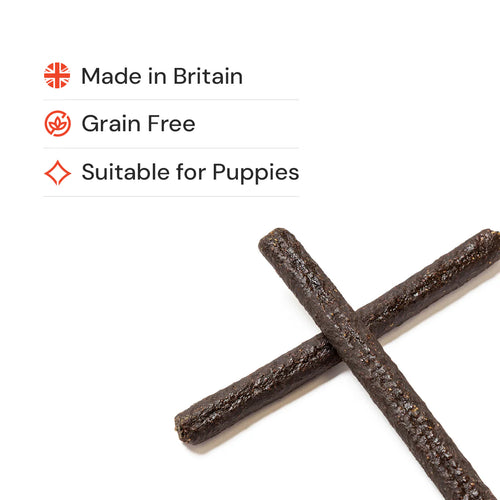
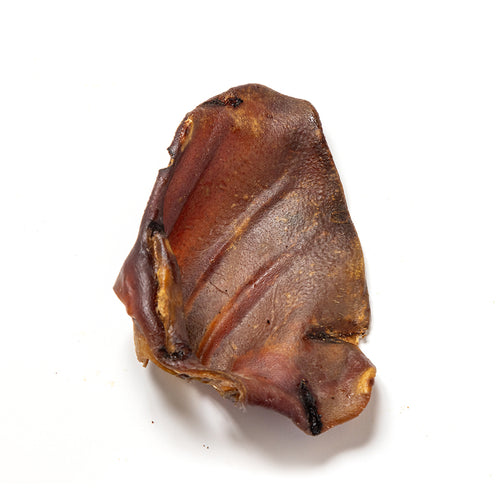
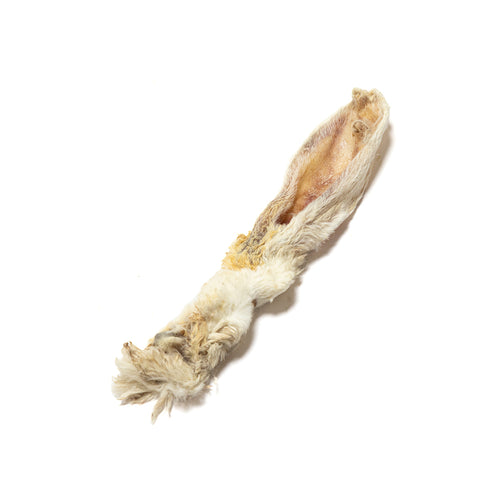
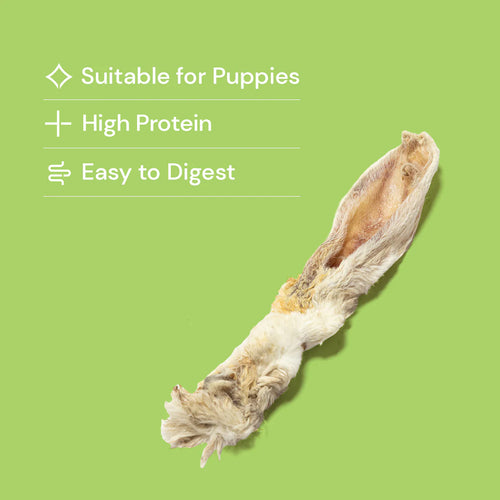
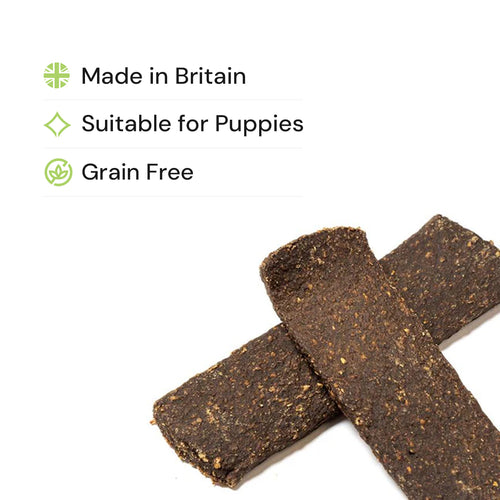
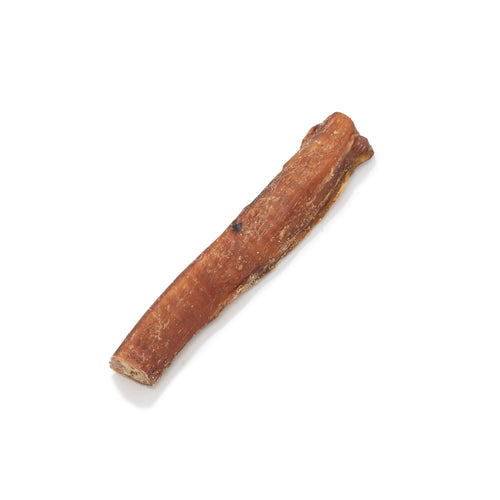
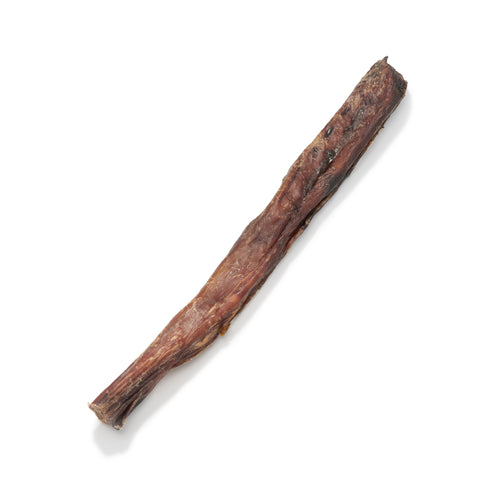
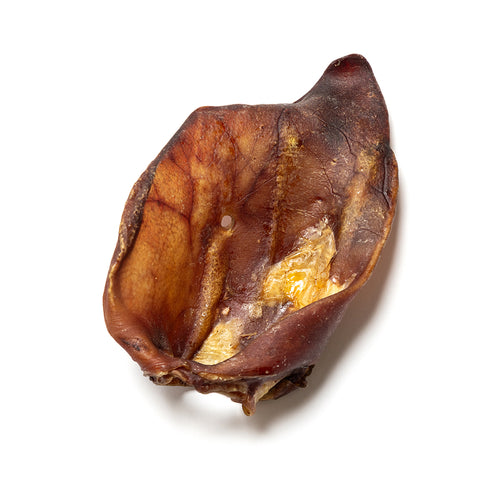
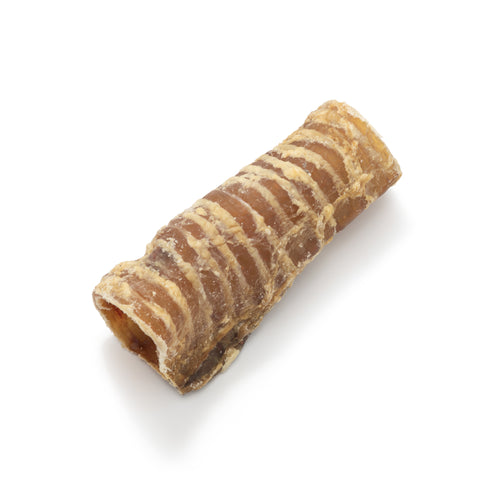
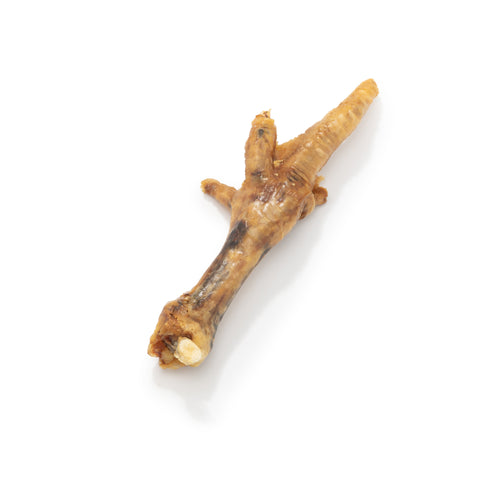
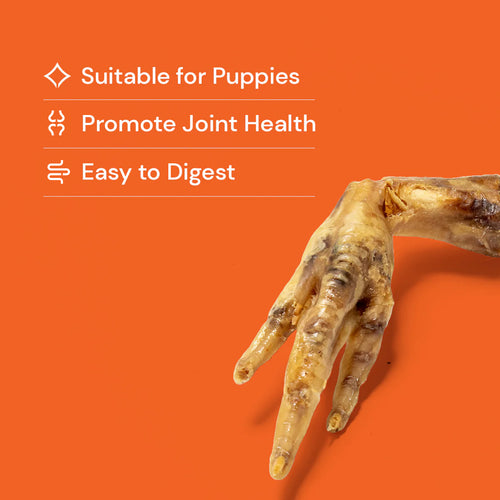
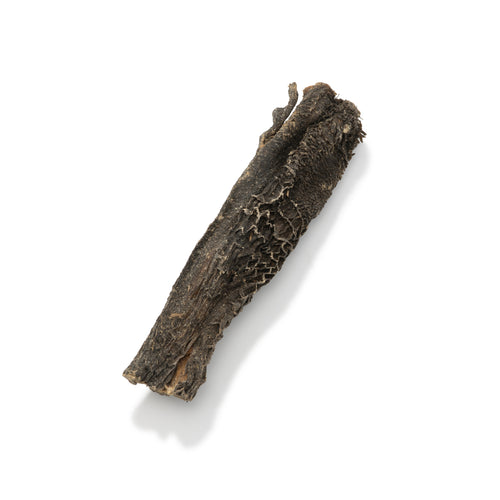
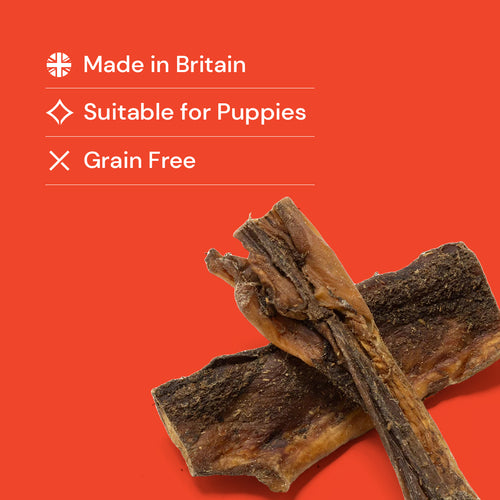
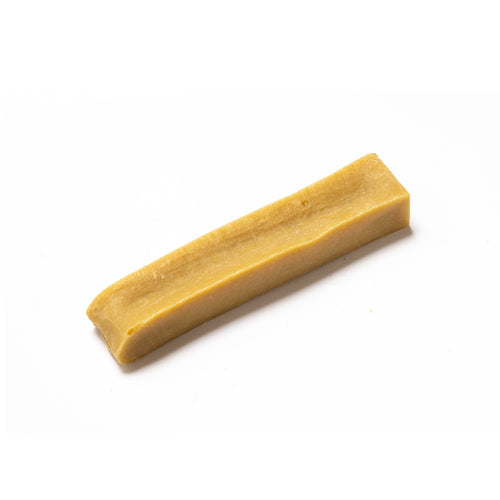
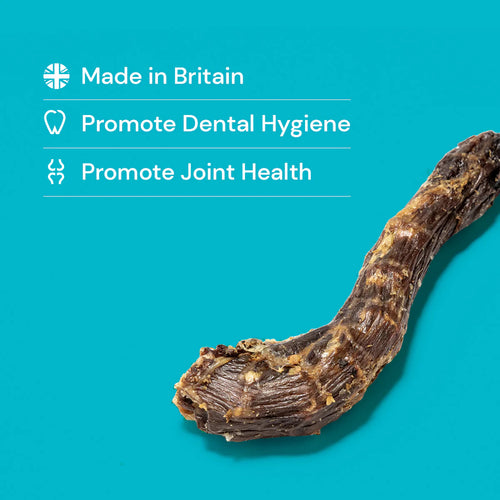
At Nutriment Natural Treats, we're big believers that treating should feel good for both of you. Our range of natural dog treats gives you plenty of choice for different dogs, occasions and everyday rewarding moments.
Should you feed your dog more in autumn?
Not necessarily.
The arrival of cooler weather alone isn't a reason to automatically increase your dog's portions.
Instead, keep an eye on their appetite, activity level, weight and body condition. If their lifestyle has genuinely become more active, their nutritional requirements may change — but feeding should always be tailored to the individual dog.
Think of autumn as a useful seasonal reminder to check in:
- Has their activity changed?
- Does their current portion still suit them?
- Are treats being included in their overall intake?
- Are they maintaining a healthy body condition?
Small observations can make a big difference.
Follow your dog, not just the season
Every dog experiences autumn differently.
One might spend October bounding through the countryside. Another would much rather negotiate the shortest possible walk before returning to the sofa.
And that's exactly why there's no universal autumn portion.
Watch their appetite. Notice changes in activity. Keep an eye on their body condition. And when it's time for a well-earned reward, choose treats thoughtfully as part of their overall diet.
Because the best autumn routine isn't about simply feeding more.
It's about understanding your dog.
FAQs
Do dogs get hungrier in autumn?
Some owners notice their dogs appear hungrier as temperatures become cooler. However, appetite and energy requirements vary between individual dogs, and changes in routine and activity can also influence feeding behaviour.
Should I feed my dog more when it gets cold?
Not automatically. Consider your dog's activity, environment, weight and body condition rather than increasing food simply because the temperature has fallen.
Why is my dog suddenly hungry all the time?
There can be many reasons for increased appetite. If the change is sudden or persistent, particularly alongside weight or behavioural changes, it's sensible to speak to your vet.
How many treats should my dog have?
Rather than counting treats alone, consider the calories they contribute. WSAVA recommends keeping treats to no more than around 10% of a dog's total daily calorie intake.