

It's every dog owner's nightmare. You turn your back for a moment, and suddenly your four-legged foodie has helped themselves to a chocolate bar, a brownie or even half the Easter eggs!
If your dog has eaten chocolate, it's natural to feel worried. But knowing what to do next can make all the difference.
The most important thing? Act quickly and contact your vet immediately, even if your dog seems perfectly fine.
Chocolate can be toxic to dogs, and the risk depends on the type of chocolate, how much they've eaten and your dog's size.
Here's everything you need to know about chocolate poisoning in dogs, the warning signs to look out for and how to keep those curious paws safe in future.
What to do if your dog eats chocolate
If your dog has eaten chocolate, call your vet or an emergency veterinary practice straight away. Don't wait for symptoms to appear.
Follow these five simple steps:
- Remove any remaining chocolate. Make sure your dog can't sneak another bite, and keep other pets away from it too.
- Work out what they've eaten. Was it milk chocolate, dark chocolate, cocoa powder or a chocolate-containing dessert? Check roughly how much is missing.
- Keep the packaging. Your vet may need the ingredients, cocoa percentage and weight to assess the risk.
- Call your vet immediately. Tell them your dog's weight, the type and estimated amount of chocolate eaten, and when it happened.
- Follow your vet's instructions. They may recommend bringing your dog in for urgent treatment, even if they're behaving normally.
Important: Never try to make your dog vomit at home or give them home remedies unless your vet specifically instructs you to do so.
The sooner your dog receives appropriate veterinary care, the better their chances of avoiding serious complications.
Why is chocolate poisonous to dogs?
We might love a little chocolate treat, but unfortunately, our dogs' bodies handle it very differently.
Chocolate contains two substances called theobromine and caffeine. Both can be harmful to dogs because their bodies process them much more slowly than ours.
These substances can affect your dog's nervous system, heart and digestive system.
And here's something worth remembering: the darker the chocolate, the more dangerous it generally is.
That's because darker chocolate usually contains more cocoa solids, which means higher levels of theobromine.
Even a relatively small amount of dark chocolate could pose a serious risk, particularly for a smaller dog.
How dangerous are different types of chocolate?
Not all chocolate contains the same amount of theobromine, but that doesn't mean any type is a safe snack for dogs.
| Chocolate type | General risk | What to know |
|---|---|---|
| Cocoa powder | Very high | Highly concentrated and potentially dangerous in small quantities |
| Baking chocolate | Very high | Contains high levels of cocoa solids |
| Dark chocolate | High | Generally more toxic than milk chocolate |
| Milk chocolate | Lower than dark, but still dangerous | Can cause poisoning depending on the amount and your dog's weight |
| White chocolate | Very low theobromine risk | High fat and sugar content can still cause digestive problems, including pancreatitis |
Remember: This is a general comparison, not a safe-portion guide. The actual risk depends on your dog's weight, the product's ingredients and the amount eaten.
If you're unsure how much chocolate your dog has eaten, it's always safest to contact your vet.
Signs of chocolate poisoning in dogs
One of the trickiest things about chocolate poisoning is that your dog might seem completely normal at first.
Symptoms can take several hours to appear, so it's important not to wait for visible signs before seeking veterinary advice.
Common symptoms of chocolate poisoning in dogs include:
- Vomiting or diarrhoea: Your dog may develop an upset stomach.
- Restlessness or hyperactivity: They might seem unusually excited, agitated or unable to settle.
- Increased thirst or urination: You may notice them drinking or weeing more than usual.
- Rapid breathing or a racing heartbeat: Chocolate can affect the heart and nervous system.
- Muscle tremors: Shaking or twitching can indicate more serious poisoning.
- Seizures or collapse: These are severe symptoms requiring immediate emergency veterinary attention.
Even if your dog isn't showing any of these symptoms, chocolate can still be causing harm.
If you suspect chocolate poisoning, don't wait to see whether your dog becomes unwell. Contact your vet immediately.
How much chocolate is toxic to a dog?
You might be wondering: "My dog only ate a little bit of chocolate. Surely that's okay?"
Unfortunately, there's no single amount that's safe for every dog.
The risk depends on several factors:
- Your dog's weight: Smaller dogs can be affected by lower quantities.
- The type of chocolate: Dark chocolate and cocoa powder are particularly concerning.
- The amount eaten: The more chocolate consumed, the greater the potential exposure to harmful substances.
- Other ingredients: Some chocolate products also contain raisins, macadamia nuts or xylitol (also called birch sugar), which can be dangerous to dogs.
For example, the same piece of dark chocolate could present a very different level of risk to a Chihuahua than to a Labrador.
That's why guessing whether the amount was dangerous isn't worth the risk.
You can find further guidance in the PDSA's chocolate poisoning advice, including information about assessing potential toxicity.
However, a chocolate toxicity calculator should never delay a call to your vet.
What will the vet do if your dog eats chocolate?
If your dog needs treatment, your vet will assess the amount and type of chocolate eaten, your dog's weight, when it happened and whether any symptoms have developed.
Depending on the circumstances, treatment may involve:
- Inducing vomiting safely: If appropriate, your vet may give medication to remove chocolate from your dog's stomach.
- Activated charcoal: In some cases, this may help reduce absorption of the toxic substances.
- Intravenous fluids: These can support your dog while their body processes the toxins.
- Medication and monitoring: More serious cases may require treatment for tremors, seizures or heart-related complications.
The reassuring news is that many dogs recover well with prompt and appropriate veterinary care.
The key is acting early rather than waiting for symptoms.
Can dogs eat chocolate-flavoured treats?
It's best to avoid giving your dog any treats containing chocolate, cocoa powder or cocoa solids.
But that doesn't mean they have to miss out when you're enjoying something delicious!
There are plenty of dog-friendly treats designed specifically for our four-legged companions.
When choosing treats, look for ingredients that are appropriate for dogs, clear labelling and products that suit your dog's age, size and dietary needs.
And remember, even dog-friendly treats are best enjoyed in moderation as part of a balanced diet.
How to prevent your dog from eating chocolate
Let's face it: some dogs are absolute experts at finding food they're not supposed to have!
Whether it's a forgotten chocolate bar on the coffee table or Easter eggs waiting to be hidden, a little prevention can save a lot of worry.
Here are some easy ways to keep your dog safe:
1. Keep chocolate out of reach
Store chocolate, cocoa powder and chocolate-containing foods in secure cupboards, rather than on kitchen counters or low tables.
2. Be extra careful during celebrations
Easter, Halloween and Christmas often mean more chocolate around the house.
Make sure advent calendars, selection boxes and sweet-filled gifts are stored somewhere your dog can't access them.
3. Teach a reliable "leave it" command
A little reward-based training can go a long way in helping your dog resist tempting foods.
4. Remind family and visitors
Children and guests may not realise that sharing chocolate with a dog can be dangerous. A friendly reminder helps everyone stay on the same page.
5. Keep dog-friendly rewards handy
Having suitable treats available makes it easier for everyone in the household to give your dog something appropriate instead.
A little treat they'll love (without the chocolate!) 🐾
Our dogs bring so much happiness into our lives, and naturally, we want to reward them with something special.
But while chocolate is a treat for us, it's one pleasure that's best kept strictly human!
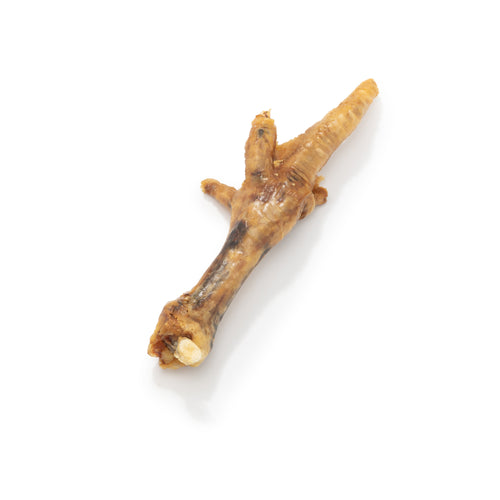
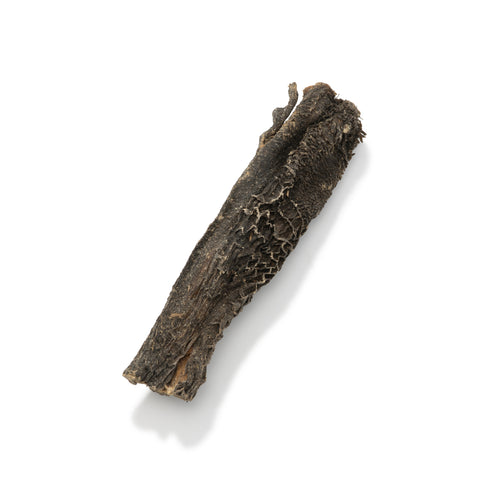
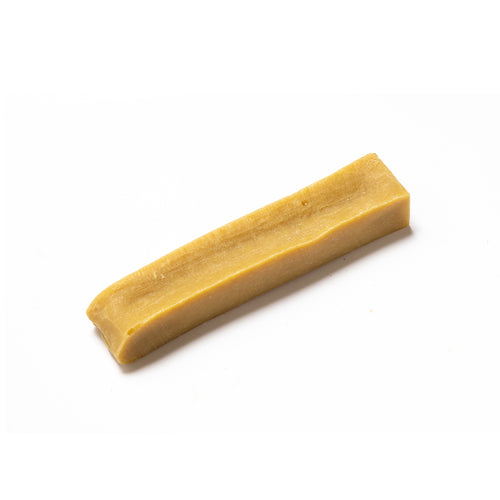
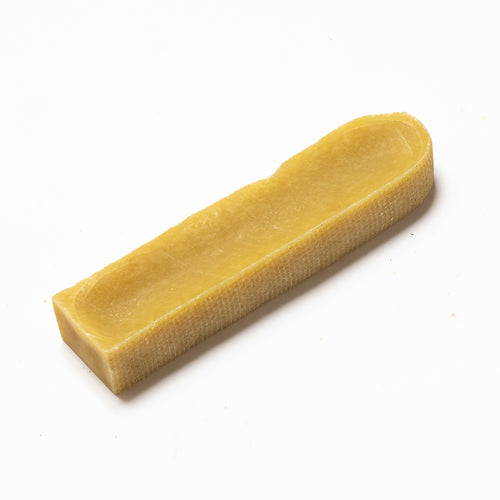
At Nutriment Natural Treats, we believe dogs deserve delicious rewards made with thoughtfully selected ingredients.
Our range of natural dog treats includes everything from tasty training rewards to satisfying chews, giving you plenty of ways to celebrate the little moments together.
Whether they've mastered a new trick, enjoyed a brilliant walk or simply given you that irresistible puppy-eyed look, there's always a reason to Treat 'em Right.
Explore our natural dog treats
Please note: Dog treats are not a treatment for chocolate poisoning. If your dog has eaten chocolate, always seek veterinary advice first and follow your vet's guidance before offering food or treats.
Frequently asked questions about dogs and chocolate
My dog ate chocolate but seems fine. Should I worry?
Yes. Symptoms of chocolate poisoning can take several hours to develop. Even if your dog seems completely normal, contact your vet immediately to assess the risk.
What happens if a dog eats a small piece of chocolate?
It depends on the chocolate type, the amount and your dog's weight. A small piece of dark chocolate may be particularly concerning for a small dog. Always ask your vet for advice rather than assuming a small amount is harmless.
Can a dog survive eating chocolate?
Yes. Many dogs recover well, particularly when they receive prompt veterinary treatment. However, severe chocolate poisoning can be life-threatening, so early action is essential.
How long does it take for chocolate poisoning symptoms to appear?
Symptoms can begin within a few hours, but the timing varies. Don't wait for symptoms to develop before contacting your vet.
Is white chocolate poisonous to dogs?
White chocolate contains very little theobromine and is much less likely to cause theobromine poisoning. However, its high fat and sugar content can still cause stomach upsets and potentially pancreatitis. Contact your vet if your dog has eaten it.
Can I make my dog sick after eating chocolate?
Never attempt to make your dog vomit at home unless specifically instructed by your vet. Some home remedies can cause additional harm. Your vet will decide whether inducing vomiting is safe and appropriate.
The bottom line: Keep chocolate for humans and treats for dogs ❤️
If your dog has eaten chocolate, the most important thing is to contact your vet immediately, even if they appear perfectly healthy.
A little preparation, safe food storage and knowing what to do in an emergency can help protect your four-legged friend.
And when it comes to rewarding them? Choose treats made with dogs in mind.
Because showing them love should always mean keeping them safe, happy and healthy.
Discover Nutriment Natural Treats
This article is intended as general information and is not a substitute for professional veterinary advice. If your dog has eaten chocolate or another potentially harmful substance, contact your veterinary practice immediately.