

Nothing beats seeing your dog's tail wag with excitement before a walk. But during the British summer, one hidden danger often catches owners by surprise — hot pavements.
Even on a warm day that feels comfortable to us, pavements can become dangerously hot for dogs' sensitive paw pads within minutes. Knowing when it's safe to head outside could prevent painful burns, heat exhaustion, or even life-threatening heatstroke.
Here's everything you need to know to keep your dog safe, comfortable, and happy throughout the warmer months.
Why Hot Pavements Are Dangerous for Dogs
Unlike humans, dogs don't wear shoes.
Their paw pads are tough, but they're still living tissue that can burn surprisingly quickly on overheated surfaces.
Materials such as:
- Tarmac
- Concrete
- Block paving
- Artificial grass
- Dark stone patios
absorb and retain heat throughout the day.
Even after the air temperature begins to cool, these surfaces can remain dangerously hot for several hours.
Air Temperature vs Pavement Temperature
Many owners are surprised to learn that:
|
Air Temperature |
Pavement Temperature (Approx.) |
|
20°C |
35–40°C |
|
25°C |
50°C+ |
|
30°C |
60°C+ |
At temperatures above 50°C, paw pads can burn within seconds.
The 7-Second Test
A simple rule can help before every summer walk.
Place the back of your hand flat on the pavement for seven seconds.
If it's too hot for your hand...
it's too hot for your dog's paws.
This quick test isn't perfect, but it's an excellent everyday guide for responsible owners.

The Best Time to Walk Your Dog in Summer
During heatwaves or warm weather, timing is everything.
Early Morning
The coolest part of the day.
Benefits include:
- Cooler pavements
- Lower UV exposure
- Less risk of overheating
- More energetic walks
Late Evening
Once the sun has been down for a while, surfaces begin cooling.
However, always check the pavement first, as roads and driveways can stay warm longer than expected.
Choose Grass Instead of Pavements
Where possible, swap hard surfaces for:
- Woodland walks
- Grassy parks
- Shaded trails
- Riverside paths
- Open fields
Grass remains significantly cooler than tarmac and is much gentler on paws.
Your dog will usually enjoy exploring natural scents while staying more comfortable too.

Signs Your Dog Is Getting Too Hot
Heatstroke can develop much faster than many owners realise.
Watch carefully for:
- Excessive panting
- Thick drooling
- Bright red gums
- Slowing down
- Reluctance to continue walking
- Seeking shade constantly
- Confusion
- Vomiting
- Collapse
If your dog shows these signs:
- Move immediately into shade.
- Offer cool (not ice-cold) water.
- Wet the body with cool water.
- Contact your vet straight away.
Heatstroke is always an emergency.
Protecting Sensitive Paw Pads
Some dogs are particularly vulnerable:
- Puppies
- Senior dogs
- Flat-faced breeds
- Dogs recovering from illness
- Dogs with naturally sensitive paws
After each summer walk:
- Check paw pads for redness.
- Look for cracks or blisters.
- Remove grass seeds or debris.
- Wash away salt, dust or chemicals.
Healthy paws mean happier adventures.
Summer Walk Alternatives
If it's simply too hot outside, don't feel guilty about skipping a long walk.
Mental enrichment can be just as tiring.
Try:
- Snuffle mats
- Food puzzles
- Hide-and-seek games
- Indoor scent work
- Basic training sessions
- Frozen enrichment toys
Many dogs are perfectly happy exchanging one long walk for engaging activities indoors during the hottest hours.
For training sessions, try our Gourmet range - small, bite-sized rewards that help reinforce positive behaviour during training. High in flavour and easy to eat, they're perfect for keeping dogs focused, motivated, and engaged without interrupting the training session.

Hydration Matters
Always carry fresh water on summer walks.
Portable travel bowls make hydration simple wherever you go.
Encourage regular drinking before, during and after exercise.
Some owners also freeze portions of their dog's favourite treats to create refreshing enrichment at home.
Reward Safe Summer Adventures Naturally
Every great walk deserves a reward.
Choosing natural, high-quality treats allows you to reinforce good behaviour while supporting your dog's wellbeing.
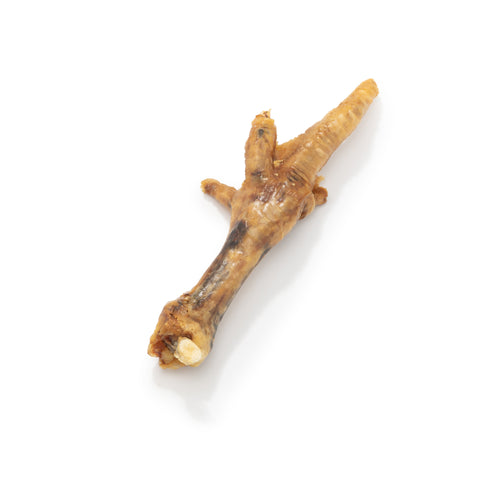
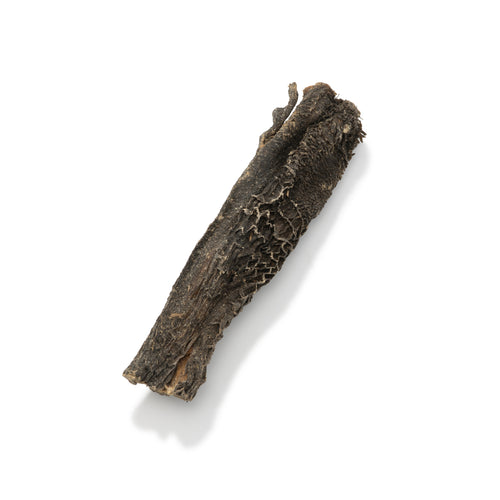
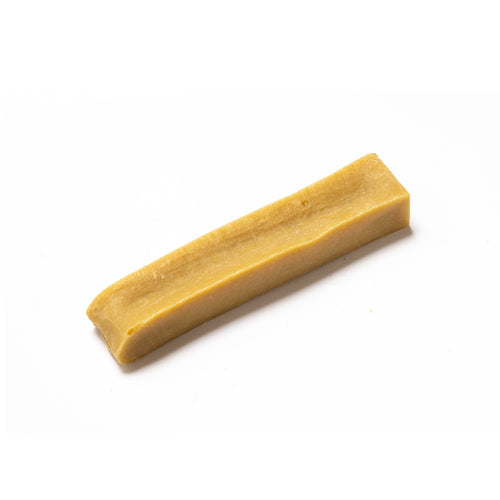
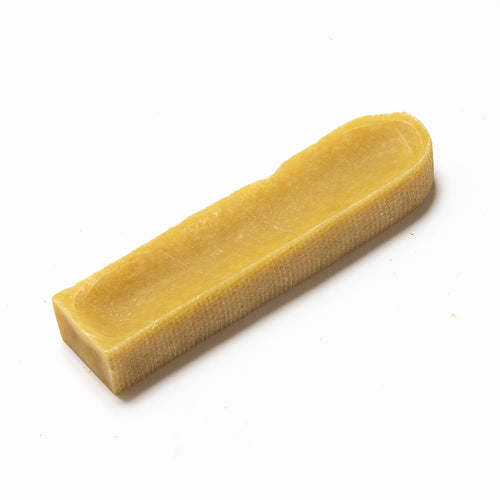
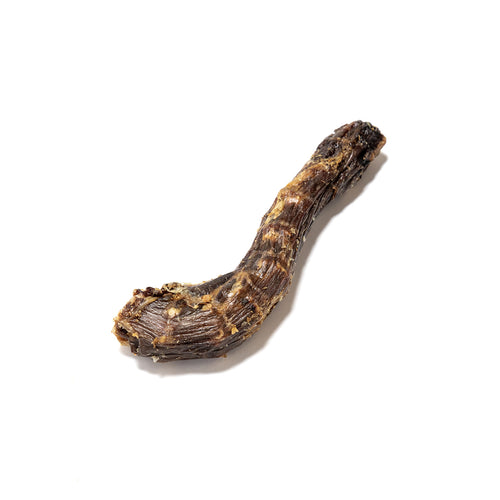
At Nutriment Natural Treats, our gently air-dried treats are made with carefully selected natural ingredients, providing a delicious reward without unnecessary fillers or artificial additives.
Perfect for:
- Recall training
- Calm behaviour during walks
- Enrichment activities
- Summer adventures
- Post-walk rewards
Because healthy treats should support your dog's wellbeing all year round.

Frequently Asked Questions
What temperature is too hot to walk my dog?
Every dog is different, but once air temperatures reach around 24°C or above, extra caution is needed. Always check pavement temperature rather than relying on the weather forecast alone.
Can dogs burn their paws on pavements?
Yes. Hot tarmac and concrete can cause painful burns, blistering and damaged paw pads within seconds on very hot days.
Is grass always safer?
Generally yes. Grass remains much cooler than paved surfaces, although dogs can still overheat in direct sunshine.
Should I use dog boots?
Protective boots may help some dogs, but they must fit correctly and many dogs need time to get used to wearing them.
Is skipping a walk okay?
Absolutely. During extreme heat, replacing outdoor exercise with indoor enrichment is often the safest choice.
Final Thoughts
Summer should be full of happy memories, not avoidable injuries.
By choosing cooler times of day, checking pavements before every walk, watching for signs of overheating and rewarding your dog with natural treats afterwards, you can enjoy the season safely together.
Sometimes the kindest decision is simply waiting until the sun goes down.
Your dog will thank you for it.