

Summer is made for socialising. Garden BBQs, family gatherings, evening drinks on the patio and neighbours popping by all mean one thing for your dog: lots of exciting visitors.
While a wagging tail is always welcome, an enthusiastic dog launching themselves at every guest isn't. Jumping up can be intimidating for children, elderly visitors or anyone wearing their favourite summer outfit. It can also make entertaining stressful for both you and your dog.
The good news? Jumping up isn't bad behaviour—it's usually an expression of excitement. With the right training, consistency and rewarding the behaviours you do want, your dog can learn to greet guests politely without losing their joyful personality.
At Nutriment Natural Treats, we believe training should always strengthen the bond between you and your dog. Using high-value, natural rewards makes learning enjoyable while supporting your dog's overall wellbeing.
Why Dogs Jump Up on Visitors
Most dogs aren't trying to be naughty.
They're simply doing what has worked before.
Dogs naturally greet face-to-face. Since we're much taller, jumping brings them closer to our faces. Add the excitement of new smells, familiar friends and extra attention during summer gatherings, and jumping quickly becomes a habit.
Common reasons include:
- Excitement from seeing new people
- Seeking attention
- Previous reinforcement (even pushing them away is attention)
- Lack of impulse control
- Excess energy before visitors arrive
Understanding the motivation behind the behaviour helps you choose the most effective training approach.

Why Summer Makes Jumping Worse
Summer creates the perfect storm for over-excited greetings.
Longer daylight hours often mean:
- More visitors arriving unexpectedly
- BBQs and garden parties
- Children running around
- New outdoor smells
- Increased excitement levels
- Less structured daily routines
The more exciting the environment, the harder it becomes for dogs to make calm decisions.
That's why preparing before guests arrive makes such a difference.
Step 1: Burn Off Some Energy First
A tired brain learns better.
Before guests arrive, give your dog an appropriate outlet for both physical exercise and mental stimulation.
Ideas include:
- A sniff walk
- Short training session
- Food puzzle
- Enrichment games
- Natural chew
- Scatter feeding in the garden
Mental enrichment is often even more effective than simply walking further.

Step 2: Practise Calm Before the Doorbell Rings
Most jumping starts before the front door even opens.
Teach your dog that hearing the doorbell predicts calm behaviour instead of frantic excitement.
Try this exercise:
- Ring the bell (or play the sound).
- Reward calm behaviour immediately.
- Ask for a sit or settle.
- Repeat regularly without visitors.
Soon the doorbell becomes another training opportunity rather than an excitement trigger.
Step 3: Reward Four Paws on the Floor
Dogs repeat behaviours that earn rewards.
Instead of focusing on stopping jumping, reward what you want to see.
The moment all four paws stay on the floor:
- Mark the behaviour ("Yes!")
- Deliver a high-value natural treat
- Offer calm praise
Timing is everything.
Reward before your dog jumps—not afterwards.

Why High-Value Rewards Matter
Greeting visitors is incredibly rewarding for most dogs.
Your rewards need to compete with that excitement.
Natural, protein-rich treats are often far more motivating than standard biscuits.
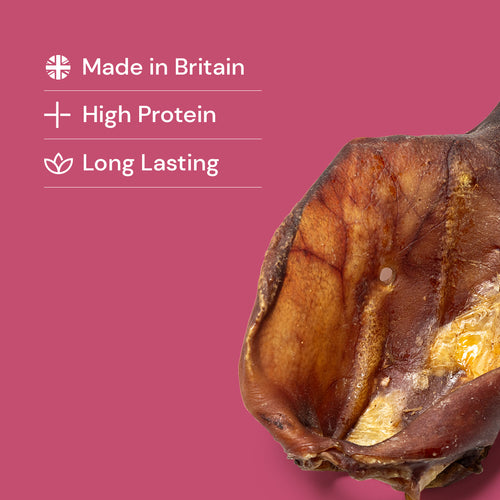
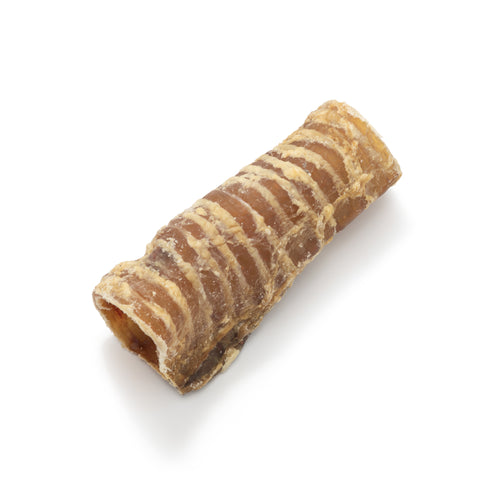
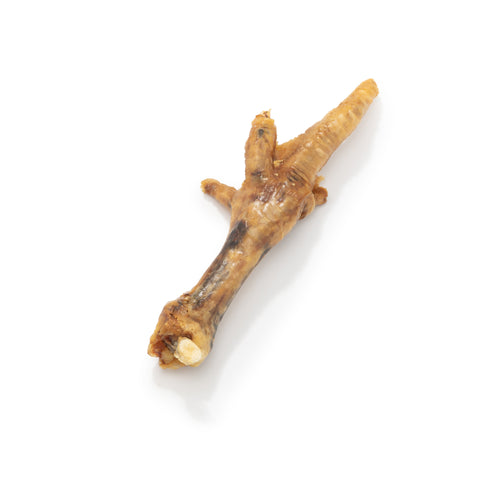
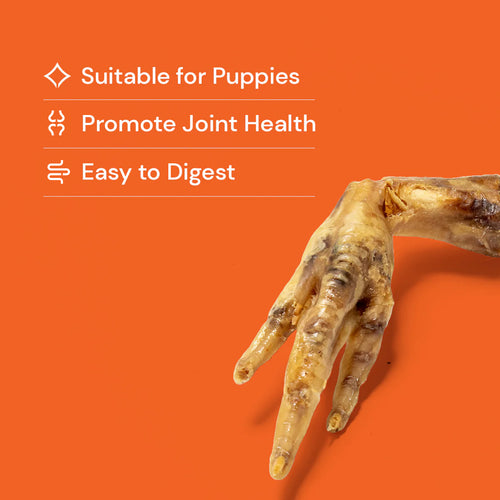
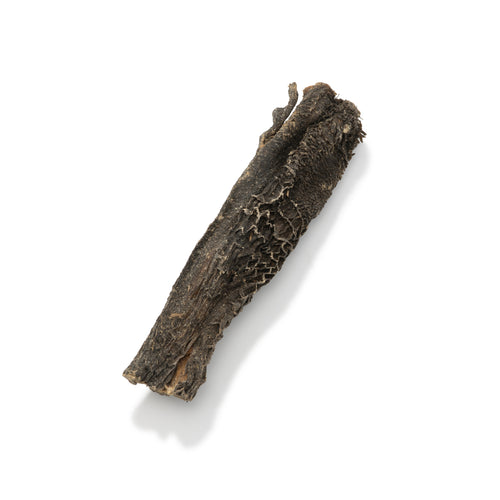
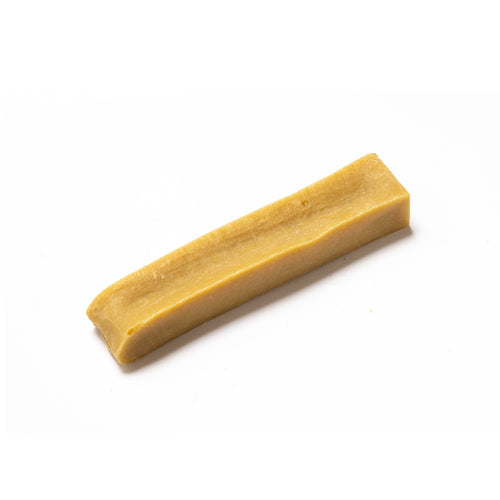
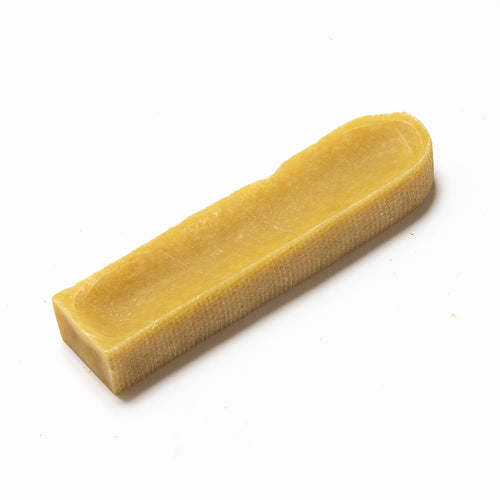
Our range of Nutriment Natural Treats is ideal because they're:
- Made with quality natural ingredients
- Highly palatable
- Easy to carry
- Quick to eat during training
- Perfect for repeated rewards without unnecessary fillers
Small, tasty rewards help keep training flowing without interrupting the moment.
Step 4: Ask Guests to Help
Training becomes much faster when visitors understand the plan.
Ask guests to:
- Ignore jumping completely
- Avoid eye contact while your dog is jumping
- Turn sideways if necessary
- Only greet once all four paws remain on the floor
- Reward calm behaviour if appropriate
Consistency from everyone dramatically speeds up learning.
Step 5: Teach an Alternative Greeting
Rather than simply saying "don't jump," teach your dog exactly what you would like instead.
Excellent alternatives include:
- Sit to greet
- Touch your hand
- Go to a mat
- Retrieve a favourite toy
- Wait calmly beside the door
Dogs learn faster when replacing unwanted behaviour with something rewarding.
Create a Calm Arrival Routine
Predictable routines reduce excitement.
For example:
- Doorbell rings
- Dog goes to their mat
- Guest enters
- Dog waits
- Calm greeting
- Reward
- Relax together
After enough repetition, this routine becomes automatic.
Common Mistakes That Slow Progress
Avoid these common pitfalls:
Accidentally Rewarding Jumping
Even saying "No!" can provide attention.
Ignore jumping completely and reward calm alternatives.
Waiting Too Long to Reward
Your dog won't connect the reward with staying on the floor if it's delayed.
Reward immediately.
Only Training with Real Visitors
Practise with family members pretending to arrive.
Frequent repetition builds lasting habits.
Expecting Perfection Straight Away
Excitement takes practice to manage.
Celebrate small improvements rather than expecting instant perfection.
Should You Use Treats Forever?
Not at all.
Treats are teaching tools.
Once your dog consistently greets politely, you can gradually replace food rewards with:
- Praise
- Toys
- Petting
- Being allowed to greet visitors
However, many owners continue rewarding excellent greetings occasionally to keep behaviour strong.
Why Natural Rewards Support Better Training
Training often involves many repetitions.
Choosing wholesome treats means you can reward generously without relying on artificial ingredients.
Look for treats that are:
- High in meat content
- Grain-free where appropriate
- Easy to break into small pieces
- Highly motivating
- Free from unnecessary additives
Natural rewards allow frequent reinforcement while fitting comfortably into a balanced diet.

Summer Training Opportunities Are Everywhere
Every visitor creates another chance to reinforce calm behaviour.
Whether it's the post arriving, neighbours calling in or friends coming for a BBQ, each interaction helps your dog build confidence and good manners.
With patience, consistency and positive reinforcement, you'll soon have a dog who welcomes visitors politely while still showing all the enthusiasm that makes them so lovable.
At Nutriment Natural Treats, we're passionate about helping dogs thrive through positive training, natural nutrition and rewarding everyday moments. Our delicious range of natural treats provides the perfect motivation for teaching polite greetings that last long after summer has ended.
Frequently Asked Questions
Why does my dog only jump on certain guests?
Dogs are often more excited by unfamiliar visitors, children or people who naturally encourage energetic greetings. Consistency from every guest is key.
Should I tell my dog off for jumping?
Punishment can increase anxiety or excitement. Positive reinforcement works more effectively by rewarding the behaviour you want instead.
What are the best treats for greeting training?
Choose small, soft, highly rewarding natural treats that your dog can eat quickly so training continues without interruption.
How long does it take to stop jumping?
Many dogs show noticeable improvement within a few weeks when everyone follows the same routine consistently.
Conclusion
Jumping up is usually a sign of excitement, not disobedience. By rewarding calm greetings, preparing your dog before visitors arrive and using irresistible natural treats as positive reinforcement, you can turn chaotic arrivals into calm, enjoyable welcomes.
This summer, every knock at the door can become another opportunity to strengthen your dog's manners—and your bond together.