

Spring brings longer walks, lighter evenings, and more time outdoors with your dog — but for many owners, it also brings something less welcome: seasonal allergies in dogs.
If your dog is suddenly scratching more, licking their paws, or developing irritated skin, you’re not alone. And while many focus on environmental triggers, fewer realise how much everyday choices — including treats — can influence symptoms.
This guide will help you spot the signs early and show you how to support your dog naturally, without overcomplicating things.
What Are Seasonal Allergies in Dogs?
Seasonal allergies happen when your dog’s immune system overreacts to environmental triggers like pollen, grass, or mould.
Unlike food allergies (which are usually year-round), these symptoms tend to:
- Appear in spring and summer
- Improve in autumn and winter
- Flare up after walks or outdoor exposure
👉 Dogs don’t just inhale allergens — they absorb them through their skin, especially through paws and underbelly.
Common Symptoms of Dog Allergies
Seasonal allergies often show up differently than expected. Instead of sneezing, most dogs develop skin-related symptoms.
Look out for:
- Persistent itching or scratching
- Paw licking or chewing (a key sign)
- Red, irritated skin or hot spots
- Recurring ear infections
- Watery or red eyes
- Symptoms that worsen after walks
💡 If your dog’s paws are constantly being licked after being outside, this is one of the clearest early warning signs.

What Causes Seasonal Allergies?
The most common triggers in the UK include:
- Tree pollen (spring)
- Grass pollen (early–mid summer)
- Weeds (late summer)
- Mould spores (damp conditions)
- Dust mites
These allergens build up on your dog’s coat and skin — which is why symptoms often concentrate around the paws, belly, and ears.
Why Treats Matter During Allergy Season
This is where many owners unknowingly make things worse.
While treats don’t cause seasonal allergies, they can significantly impact how your dog’s body responds.
Low-quality treats can:
- Increase inflammation
- Stress the immune system
- Introduce unnecessary ingredients
- Make symptoms harder to manage
This is especially important if you’re feeding treats daily (which most owners are).
Choosing the Best Treats for Dogs with Allergies
If your dog is prone to itching or sensitivity, your treats should actively support their wellbeing — not work against it.
Look for:
1. Single-ingredient treats
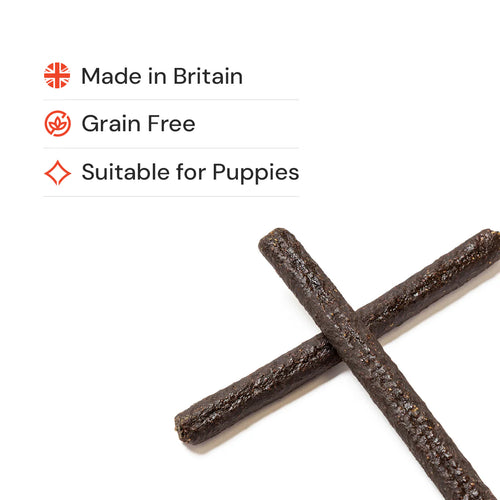
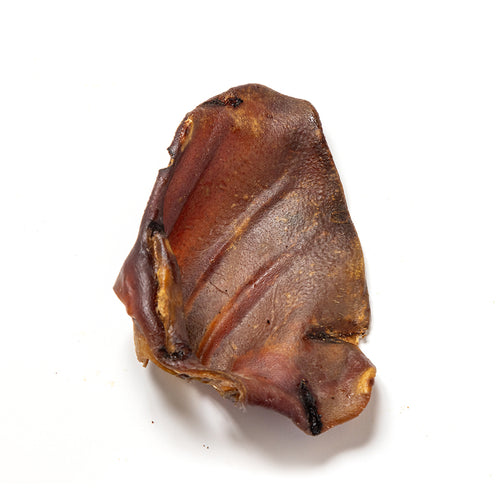
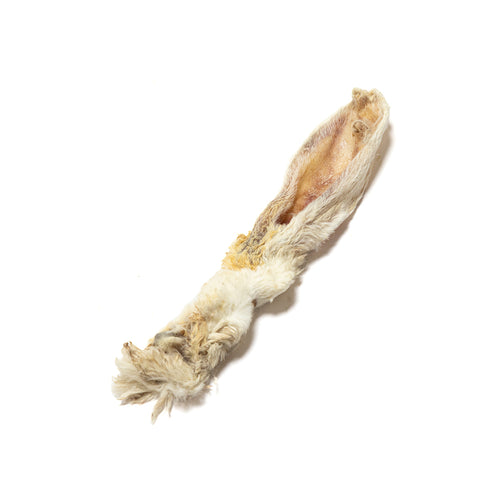
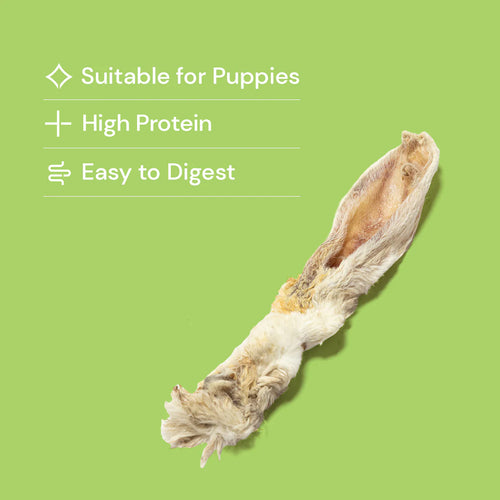
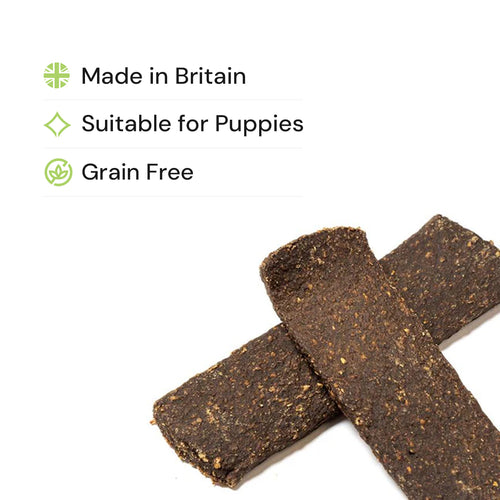
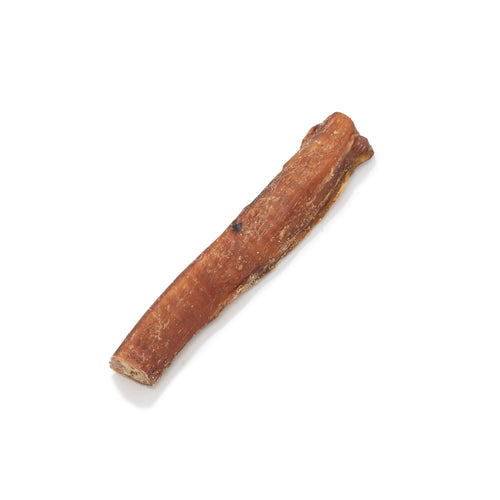
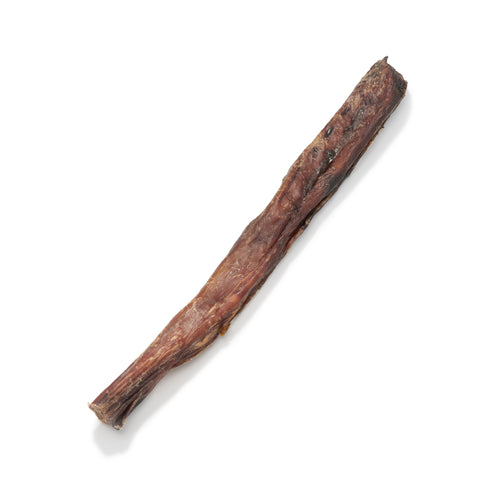
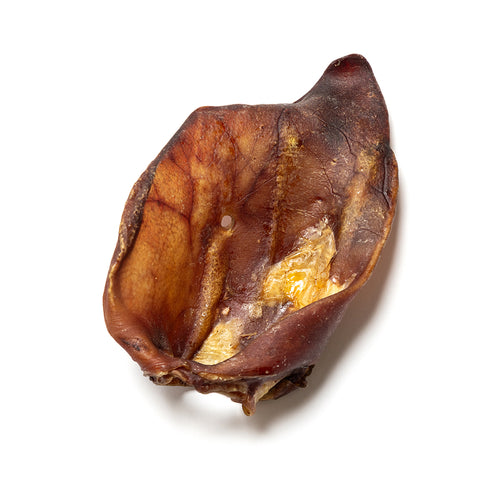
Less chance of triggering sensitivities such as Hairy Rabbit Ears, Pig Ears, Gourmet Pure Sticks, Beef Paddy Wack, etc.
2. Novel proteins
Such as venison or duck — ideal for dogs with sensitivities.
3. Natural, minimally processed options
Air-dried or gently dried, with no artificial additives. Check out our Gourmet range.
A Simpler, Natural Approach to Treating Your Dog
Switching to natural dog treats in the UK market is one of the easiest ways to reduce unnecessary dietary stress.
For example, treats like Nutriment Natural Treats’ Venison Strips offer:
- 100% single protein
- No additives or fillers
- A clean, simple option during allergy season
👉 This makes them ideal for dogs needing a low-intervention, high-quality treat option while managing sensitivities.

Simple Ways to Reduce Allergy Symptoms
Alongside better treat choices, a few small habits can make a big difference:
- Wipe paws after every walk
- Avoid long grass during high pollen times
- Wash bedding regularly
- Bathe occasionally with a gentle shampoo
- Keep flea prevention up to date
These small steps help reduce overall allergen exposure — and improve comfort quickly.

When Should You Speak to a Vet?
Most mild seasonal allergies can be managed at home. However, seek veterinary advice if:
- Skin becomes broken or infected
- Ear infections keep returning
- Your dog seems distressed or uncomfortable
- Symptoms don’t improve
A vet can help confirm triggers and recommend treatment if needed.

FAQs: Seasonal Allergies in Dogs
What are the first signs of seasonal allergies in dogs?
Paw licking, itching, and red skin — especially after walks — are often the earliest indicators.
What are the best treats for dogs with allergies?
Single-ingredient, natural treats made from novel proteins like venison or duck are ideal.
Can treats make allergies worse?
Yes — heavily processed treats with multiple ingredients can increase inflammation.
Should I stop giving treats?
No — just switch to high-quality, natural options that support your dog’s health.
Final Thoughts
Seasonal allergies are common — but they don’t have to control your dog’s comfort.
By combining simple daily habits with better, more natural treat choices, you can help reduce irritation and support your dog through allergy season in a way that feels manageable and realistic.
Because treating your dog shouldn’t come at the cost of their health.