

Taking your puppy on their inaugural adventure is incredibly exciting. Whether it’s a countryside weekend, a beach break, or simply visiting family for the day, travelling together helps build confidence, trust, and lifelong memories.
But if you’re feeling slightly nervous about how your puppy will cope with the journey — you’re not alone.
Puppies thrive on routine, familiar smells, and gentle reassurance. New environments can feel overwhelming at first, which is why preparation makes all the difference. The good news? With a little planning, your puppy’s first trip can be calm, safe, and genuinely enjoyable for both of you.
Here’s your simple step-by-step guide to travelling with your puppy the right way.
1. Start with Short Practice Journeys
Before planning a long drive, help your puppy get comfortable with travelling little by little.
Start with:
- 5–10 minute car journeys
- Calm local trips
- Positive experiences at the destination
- Gentle praise and reassurance
Many puppies link the car to their first vet visits. Happy trips early can help prevent anxiety later.
Top tip: Bring a familiar blanket or toy carrying your puppy’s scent. Familiar smells naturally reduce stress and help puppies feel secure.
2. Never Travel on a Full Stomach
One of the biggest mistakes new puppy owners make is feeding right before travel.
A full stomach can increase:
- Travel sickness
- Bloating
- Nausea
- Discomfort during the journey
Instead:
- Feed a smaller meal 2–3 hours before leaving
- Offer water regularly
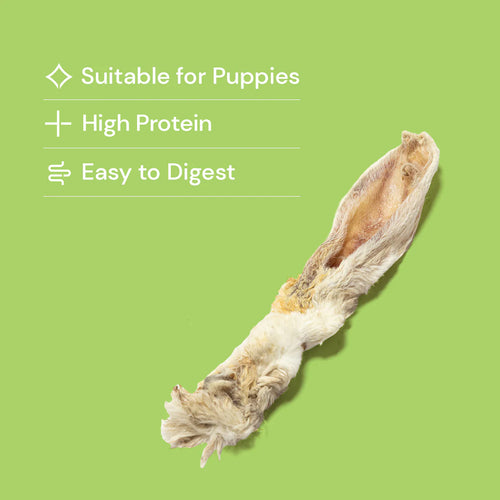
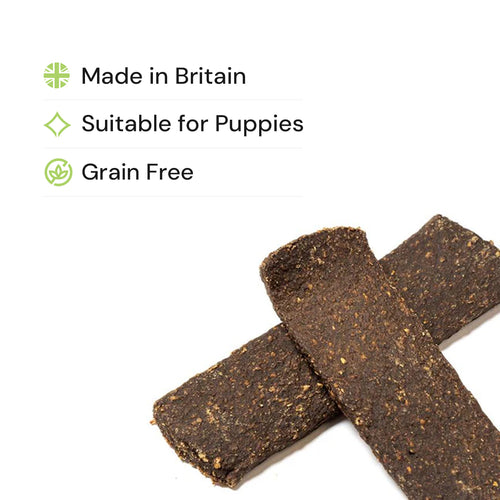
- Use small natural treats during rest stops
Choosing gentle, natural food can also make travelling easier on sensitive puppy stomachs. Many owners prefer minimally processed nutrition during travel because it supports digestion and keeps energy levels stable.
That’s one reason many UK dog owners choose Nutriment for journeys and adventures. We use simple ingredients, high meat content, and natural nutrition. Puppies can digest them more comfortably.
3. Pack a Puppy Travel Bag
Having everything ready removes stress for both you and your puppy.
Your Puppy Travel Checklist
- Water and travel bowl
- Lead and harness
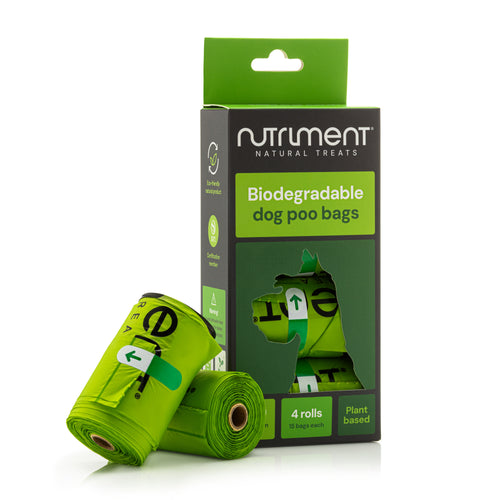
- Poop bags
- Puppy-safe blanket
- Favourite toy
- Towel
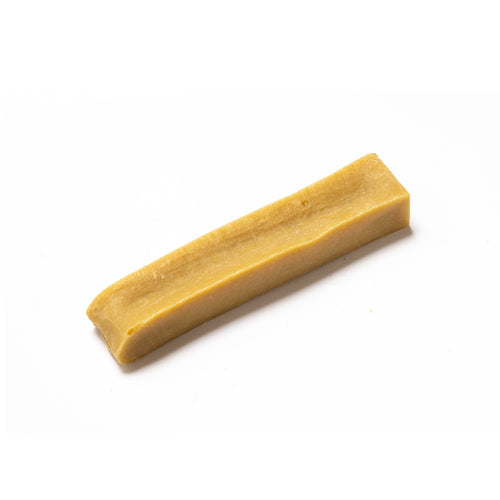
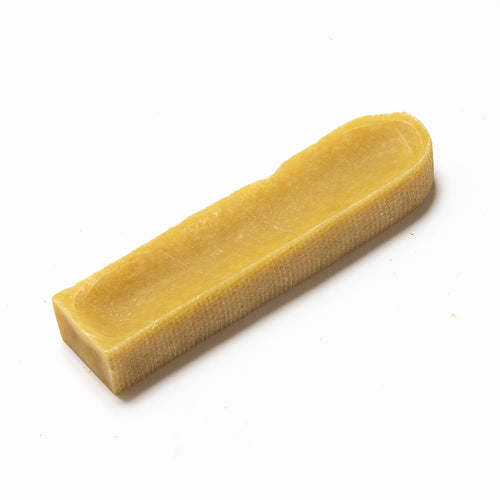
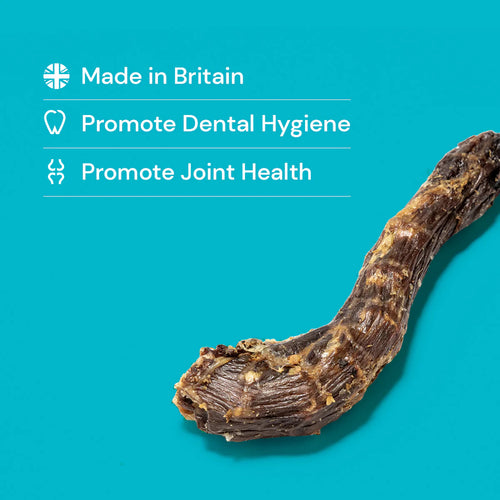
- Natural chews or treats
- Food for the trip
- Crate or seat restraint
- Pet-safe wipes
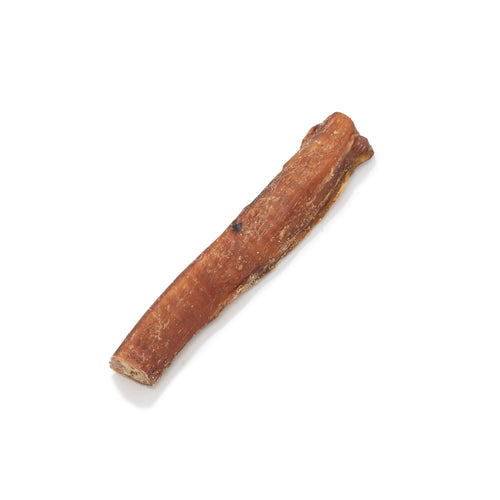
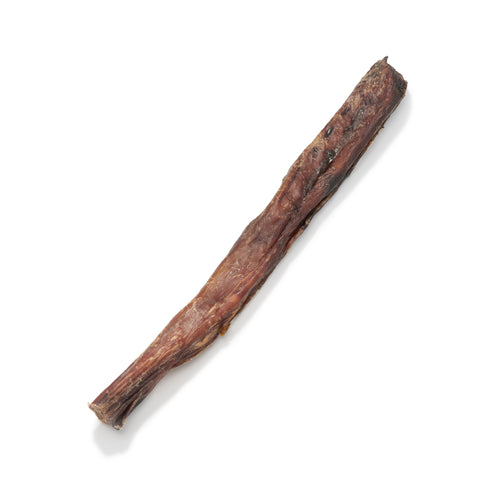
Natural chews can be especially helpful during travel because chewing naturally helps calm dogs and reduce stress levels.
Long-lasting chews also keep puppies mentally occupied during breaks or downtime at your destination.
4. Make the Car Feel Safe
Your puppy should never roam freely inside the car.
For safety and comfort, use:
- A secured travel crate
- Dog seat belt harness
- Boot guard for larger breeds
Keep the environment calm:
- Avoid loud music
- Maintain a cool temperature
- Drive smoothly where possible
Puppies quickly sense your emotions too. If you stay relaxed and positive, they’re far more likely to settle calmly themselves.

5. Schedule Plenty of Breaks
Puppies need frequent toilet breaks and opportunities to stretch their legs.
As a general rule:
- Stop every 1–2 hours
- Offer water regularly
- Allow sniffing and gentle exploration
- Reward calm behaviour with praise or treats
Sniffing is mentally enriching for puppies and can help lower excitement levels during travel.
This is also a perfect opportunity to reinforce recall training and confidence in new environments.

6. Choose Healthy Travel Treats
Not all treats are ideal for travelling puppies.
Highly processed treats with artificial additives can sometimes upset digestion or cause energy spikes during long journeys.
Instead, look for:
- Natural ingredients
- Single-protein treats
- Easily digestible options
- High meat content
- No artificial preservatives
Natural training treats or gentle chews can help reward calm behaviour without overwhelming your puppy’s stomach.
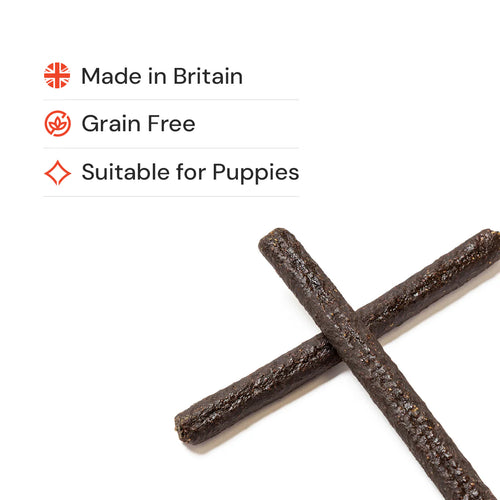
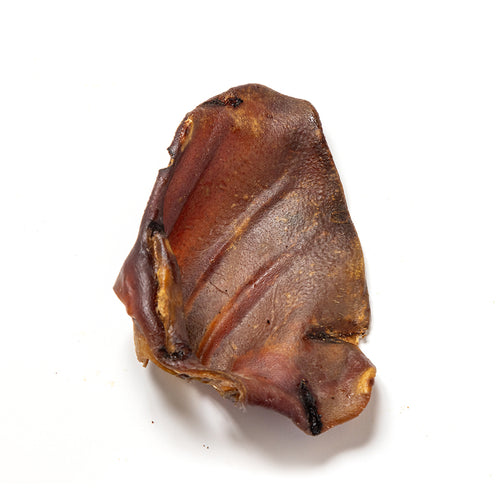
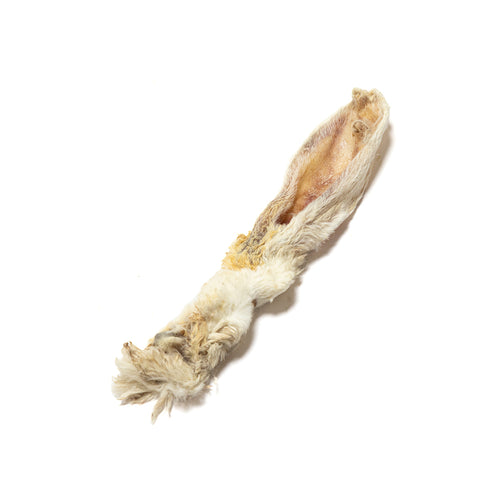
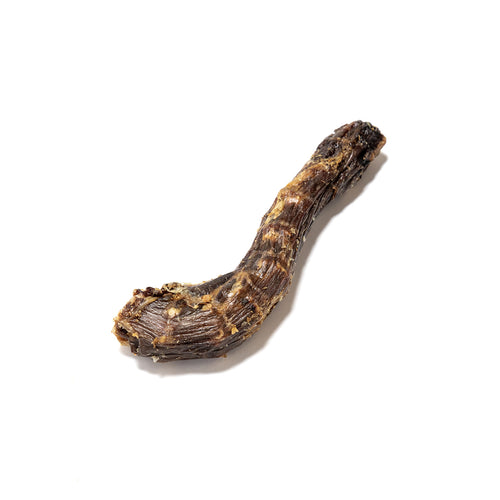
Many pet owners now choose air-dried or natural meat treats. These treats are simple and healthy. They also help motivate puppies during training and travel.

7. Keep Your Puppy’s Routine Consistent
Puppies feel safest when parts of their normal routine stay familiar.
Try to maintain:
- Similar feeding times
- Usual walk schedule
- Bedtime routine
- Familiar sleeping setup
Even small consistencies help puppies adapt more confidently to new places.
If you stay overnight somewhere new, bring your puppy’s usual bedding. It can help them settle faster.
8. Watch for Signs of Stress
Every puppy responds differently to travel.
Signs your puppy may need a break include:
- Excessive panting
- Whining
- Drooling
- Restlessness
- Yawning repeatedly
- Refusing treats
If your puppy seems overwhelmed, stay calm and give them time to decompress.
Positive first experiences matter enormously. A relaxed introduction to travel helps build a confident adult dog later on.

Final Thoughts
Your puppy’s first trip doesn’t need to be perfect — it simply needs to feel safe, calm, and positive.
With gentle preparation, natural nutrition, and realistic expectations, most puppies adapt surprisingly quickly to travelling life.
The goal isn’t just reaching your destination. Helping your puppy learn that adventures with you are safe, enjoyable, and rewarding.
And honestly? Those first slightly chaotic puppy trips often become the memories you treasure most.
FAQs
How long can a puppy travel in a car?
Most puppies should have a break every 1–2 hours during car journeys to stretch, hydrate, and go to the toilet.
What should I pack for my puppy’s first trip?
Essentials include water, food, treats, a lead, blanket, poop bags, toys, and a safe travel crate or harness.
Can puppies eat treats while travelling?
Yes — natural, easily digestible treats can help reward calm behaviour and reduce stress during breaks.
How do I stop my puppy getting car sick?
Avoid feeding immediately before travel, keep the car cool, drive smoothly, and start with shorter practice journeys first.