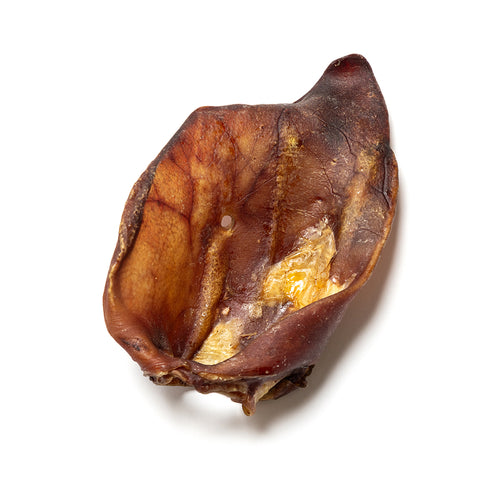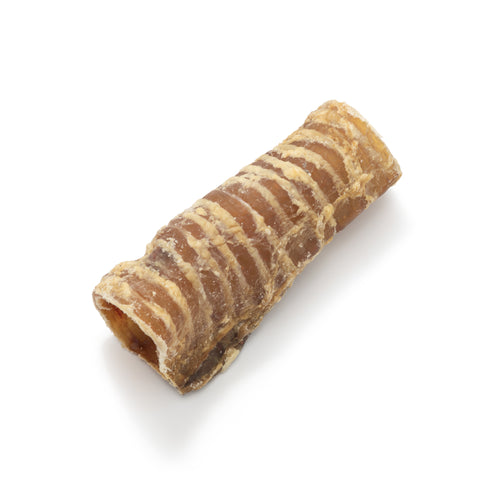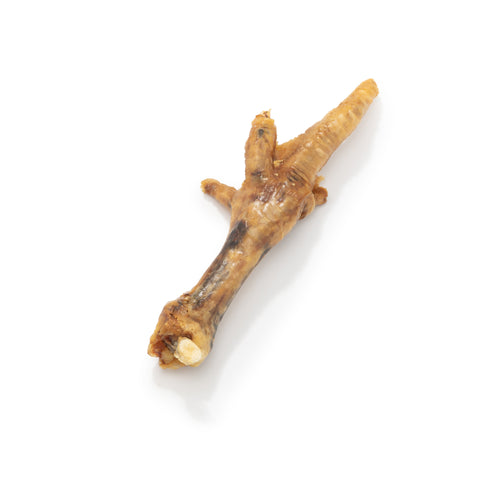


Every rescue dog comes with a history. Some arrive nervous, under-socialised, or lacking confidence. Others simply haven’t yet had the stability they need to thrive. But with patience, structure, enrichment, and healthy natural dog treats, incredible transformations can happen.
For Dog Rescue Week, we’re sharing the stories of three rescue dogs — Millie, Penelope, and Milo — whose journeys show just how life-changing the right environment can be.
From anxiety and instability to agility competitions, camper van adventures, and newfound confidence, these stories celebrate the resilience of rescue dogs and the role positive reinforcement and natural treats can play in their rehabilitation.
Why Rescue Dogs Often Need More Than Just a Home
Bringing home a rescue dog is rarely about simply providing shelter. Many rescue dogs need help learning how to feel safe, confident, and secure in everyday life.
This is where enrichment, routine, and reward-based training become essential.
Using healthy natural dog treats during training can help:
- Build trust faster
- Reinforce calm behaviours
- Reduce stress and anxiety
- Create positive associations
- Encourage mental stimulation
- Support healthy chewing instincts
For many owners, treats become more than rewards — they become communication tools that help rescue dogs feel understood and safe.
Millie: The Overlooked Rescue Puppy Who Became an Agility Champion

Millie’s story began in difficult circumstances. She was rescued as part of a litter of puppies found alongside their starving parents before being taken into a rescue facility that was later shut down over welfare concerns.
As the last puppy left waiting for adoption, Millie struggled to stand out. Like many black-coated rescue dogs, she was often overlooked.
Despite experiencing anxiety and ongoing bouts of colitis, Millie flourished once she found stability and routine in her forever home.
Today, she’s an accomplished agility dog with:
- Grade 4 agility status
- A Silver Agility Warrant
- Appearances in the Agility 4 All Grand Finals
- Experience in Rally Obedience, Trick Training, and Canicross
- Even a completed half marathon in 2025
- Her owner describes her as:
“The sweetest, most perfect dog ever.”

How Natural Treats Helped Millie
Natural dog treats became part of Millie’s everyday routine:
- High-value rewards during agility training
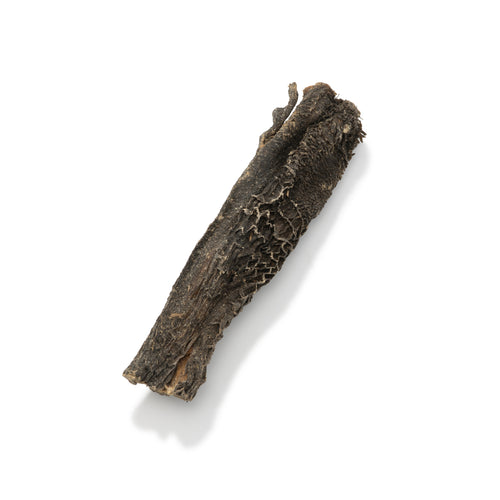
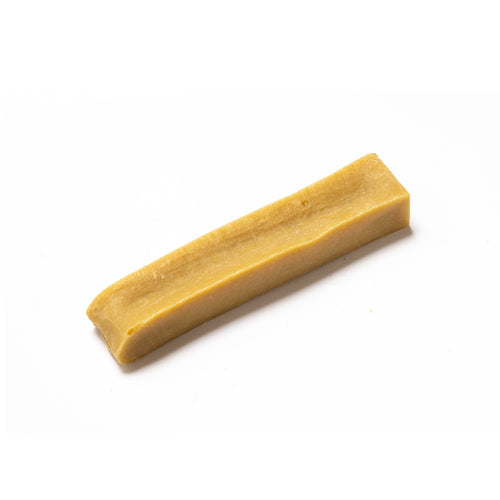
- Long-lasting chews during stressful events like Bonfire Night
- Daily enrichment to keep her mentally stimulated
Positive reinforcement helped build her confidence while strengthening the bond with her owner.
Penelope: The Rescue Dog Passed Between Four Homes

By the age of one, Penelope — known as Penny — had already lived in four different homes.
She was eventually discovered being given away for free on Facebook after spending days isolated in a kitchen because she barked and chewed the floor.
When she arrived at her new home, Penny was:
- Overweight
- Unfit
- Untrained
- Struggling emotionally
But underneath the chaos was a clever, energetic dog simply lacking direction and stability.
With regular exercise, routine, quality nutrition, and reward-based training, Penny has already made huge progress. She’s calmer around the house, enjoys her walks, and is beginning to learn agility skills.

The Power of High-Value Rewards
For Penny, treats were essential in the early days.
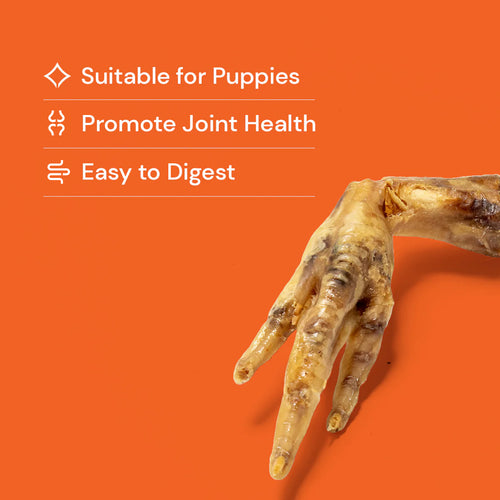
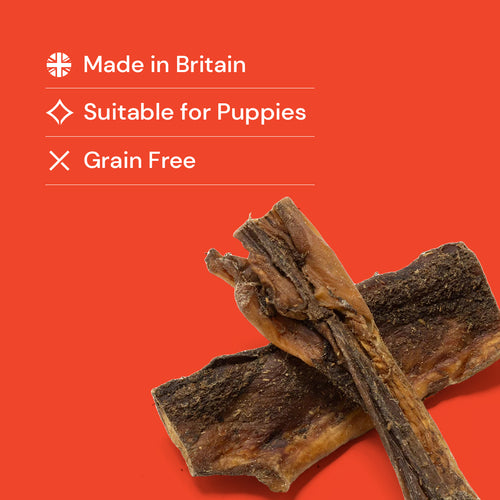
Chicken and duck jerky helped:
- Build trust
- Improve handling
- Reinforce calm behaviour
- Teach life skills like lead walking and settling in cafés
Her owner explains:
“You get out what you put in. All dogs — rescue or breeder — present challenges.”
That mindset is exactly why positive reinforcement training is so effective for rescue dogs.
Milo: The Rescue Chihuahua Who Overcame Separation Anxiety

When Milo was found wandering the streets of Lancashire without a microchip, nobody knew where he’d come from or what he’d experienced.
What was clear, however, was that he was deeply anxious.
He struggled with:
- Separation anxiety
- Fear of walks
- Fear of bridges and steps
- Wearing a harness
- Low confidence outdoors
At times, Milo would become so frightened he would freeze completely.
But with consistency, patience, enrichment, and reward-based routines, Milo slowly transformed.
Today, he’s adventurous, playful, and confident — equally happy exploring in a camper van or relaxing at home with his family.

How Enrichment Changed Milo’s Confidence
Milo’s owner used enrichment and treats strategically to help change his emotional response to being left alone.
“Treat bombs” — wrapped natural treats hidden inside paper — helped create positive associations whenever the family left the house.
Long-lasting chews and trick training also helped:
- Reduce stress
- Build confidence
- Redirect nervous energy
- Encourage independent relaxation
Now, instead of fearing alone time, Milo actively looks forward to his enrichment routine.
Why Natural Dog Treats Matter for Rescue Dogs
Many rescue dogs arrive overwhelmed by unfamiliar environments, routines, and expectations.
Using healthy natural dog treats during training and enrichment can help support:
- Confidence building
- Emotional regulation
- Stress reduction
- Better focus during training
- Stronger owner-dog bonding
Unlike heavily processed treats, natural treats often contain fewer additives and can be easier on sensitive stomachs — particularly important for anxious dogs prone to digestive issues.
When paired with patience and consistency, reward-based methods create trust rather than fear.
Thinking About Adopting a Rescue Dog?
Rescue dogs may not come as “blank canvases,” but they often become the most rewarding companions imaginable.
Millie, Penelope, and Milo are proof that with:
- Structure
- Positive reinforcement
- Mental enrichment
- Healthy nutrition
- Plenty of patience
…rescue dogs can thrive beyond expectations.
Whether your dog is learning agility, overcoming anxiety, or simply adjusting to family life, the right support can completely change their future.
FAQs
Are natural treats good for rescue dogs?
Yes. Natural dog treats are excellent for reward-based training, enrichment, and confidence building. Many rescue dogs benefit from high-value rewards that help create positive associations and reduce anxiety.
What treats are best for anxious rescue dogs?
Long-lasting natural chews, high-meat training treats, and enrichment-based treats are often effective for anxious dogs because they encourage calm behaviours and mental stimulation.
Can treats help with separation anxiety in dogs?
Treat-based enrichment activities can help dogs form positive associations with being left alone, especially when combined with consistent training and routine.
How do you train a rescue dog?
The best approach is positive reinforcement training using rewards, consistency, patience, and enrichment activities that build trust and confidence gradually.