

Dog theft is sadly becoming more common in the UK. For many of us, our dogs aren’t just pets — they’re family. The thought of them going missing is heartbreaking.
While we can’t eliminate every risk, there are simple preventative steps every dog owner can take to dramatically reduce the chances of theft. And if the worst happens, knowing exactly what to do in the first hours can make a huge difference.
This guide covers practical prevention tips, a simple theft-prevention checklist, and a step-by-step action plan if your dog goes missing.
Dog Theft Prevention Checklist (UK Dog Owners)
Many dog thefts happen because of simple opportunities — dogs left unattended, unsecured gardens, or strangers gaining trust with treats. A few proactive habits can make your dog far less vulnerable.
1. Never Leave Your Dog Outside Unsupervised
Even in your own garden, a dog can be taken within seconds.
Avoid leaving dogs:
- Tied up outside shops
- Alone in front gardens
- In cars with windows open
- In unsecured gardens
Thieves specifically target unattended dogs.
2. Make Sure Your Dog Is Microchipped (and Updated)
Microchipping is legally required in the UK, but the chip only works if the details are correct.
Check that your:
- Address is current
- Phone number is correct
- Emergency contact is listed
Update details through your microchip database if you move house or change phone numbers.

3. Secure Your Garden Properly
A surprising number of dogs are stolen directly from gardens.
Check for:
- Low fences
- Loose gate latches
- Visible dogs from the street
- Easy access points
Consider adding:
- Locked gates
- Motion lights
- Cameras
Even simple deterrents can make your home less appealing to opportunistic thieves.
4. Be Careful What You Share on Social Media
Posting your dog's:
- Location
- Walking routine
- Breed
- Value
…can unintentionally attract attention.
Avoid:
- Sharing your exact walking routes
- Posting live locations
- Advertising expensive or rare breeds
5. Train a Strong Recall
A dog that returns instantly is far less likely to be approached or taken.
Positive reinforcement works best. Many owners use high-value natural treats during recall training because dogs are far more motivated.
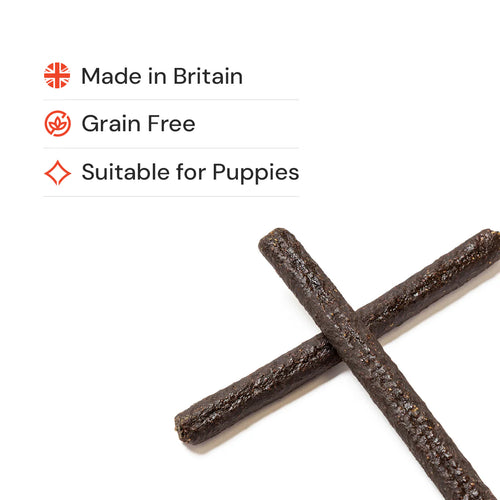
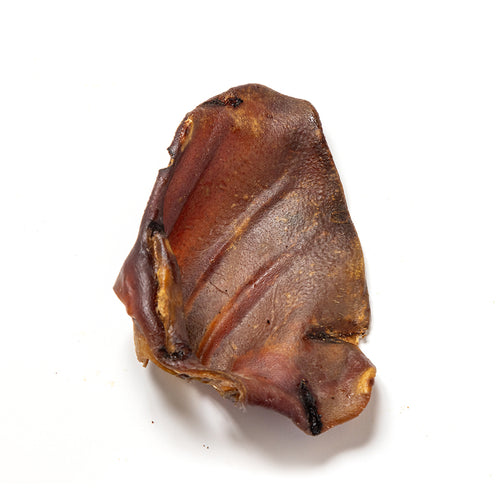
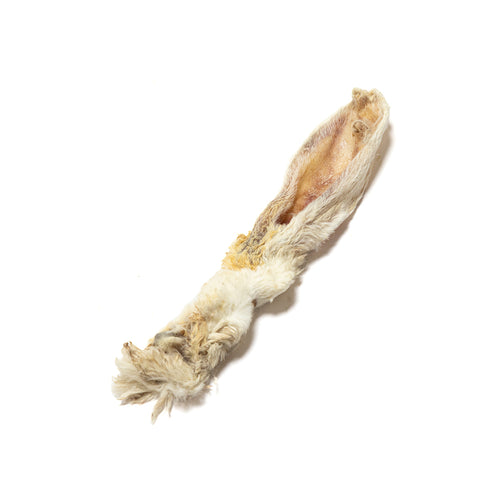
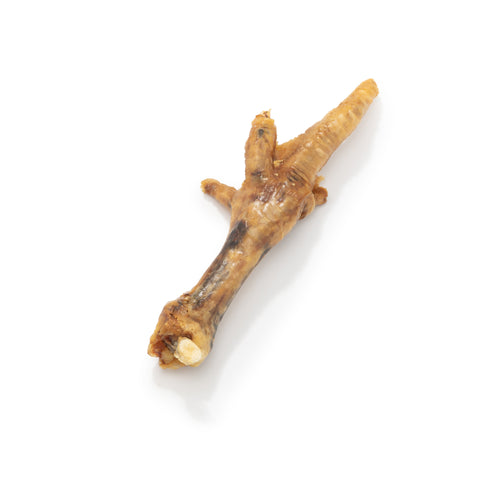
Small, natural reward treats — like those from Nutriment Natural Treats — can make recall training far more effective.

6. Keep Clear Photos of Your Dog
Have recent photos showing:
- Face
- Full body
- Distinct markings
- Collar or harness
If your dog goes missing, these photos will be essential for posters and social media alerts.
What To Do Immediately If Your Dog Goes Missing
The first 24 hours are critical. Acting quickly dramatically increases the chances of recovery.
Step 1: Search the Immediate Area
Start with the basics.
Call your dog's name calmly and check:
- Nearby streets
- Favourite walking routes
- Bushes or hiding spots
- Neighbours' gardens
Ask anyone nearby if they’ve seen your dog.
Step 2: Contact Your Microchip Database
Report your dog as missing immediately.
This ensures vets and rescue centres will be alerted if someone scans the chip.
Step 3: Call Local Vets and Dog Wardens
Contact:
- Nearby veterinary practices
- Local council dog warden
- Animal rescue centres
Provide:
- Photo
- Description
- Your contact details
Step 4: Report the Theft to the Police
If you suspect theft, report it straight away.
Dog theft is now a criminal offence in the UK under the Pet Abduction Act 2024.
Ask for a crime reference number.
Step 5: Post in Local Dog Groups
Community groups are incredibly powerful.
Share your dog in:
- Local Facebook groups
- Missing dog networks
- Neighbourhood apps
Include:
- Location last seen
- Clear photos
- Contact details
Step 6: Put Up Posters Quickly
Posters still work incredibly well.
Place them:
- Near parks
- On lampposts
- At local shops
- At vet clinics
Use large clear photos and big phone numbers.

Prevention Is Always Better Than Recovery
The reality is that most dog thefts are opportunistic. By making your dog less accessible and easily identifiable, you dramatically reduce the risk.
Simple habits — like supervised outdoor time, secure gardens, and reliable recall training — can make a real difference.
Reward-based training using natural treats your dog genuinely loves helps reinforce behaviour while supporting their wellbeing. Many owners choose minimally processed options like those from Nutriment Natural Treats, which combine high palatability with quality ingredients.
Because the truth is simple:
a well-trained dog that stays close is far harder to lose.

Final Thoughts
No dog owner ever wants to imagine their dog going missing. But preparation matters.
By following a few preventative steps and knowing what to do immediately if your dog disappears, you give yourself the best possible chance of keeping your dog safe — and bringing them home quickly if the unexpected happens.
Your dog trusts you to protect them. With the right habits in place, you can.